

Luxury bespoke hotel holidays to Villa Dubrovnik, Croatia
Facts in brief
Official star rating 5
Location On the clifftop in the Sveti Jakov area, a 5 minute shuttle ride from Dubrovnik's Old Town east gate.
Annual opening 1st April to 30th November
Closest airport Dubrovnik
Distance from airport 30 minutes by car
Hotel facilities and services
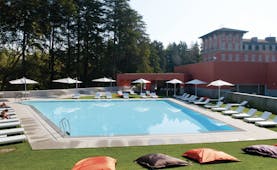
Pjerin Restaurant (Michelin Guide recommended), Giardino Restaurant (open-air kitchn), Galanto Rooftop Bar, Libero Library Lounge Bar, Villa Spa with 5 treatment rooms, indoor heated swimming pool, Finnish sauna, steam room, fitness centre, private rocky beach with sun loungers, snorkelling and diving equipment, Mediterranean gardens, glass lift, concierge service, private transfers, complimentary shuttle to Old Town, private covered parking.
Complimentary
Wi-Fi and shuttle to Dubrovnik Old Town east gate.
Complimentary watersports
Snorkelling and diving
Land sports
Hiking, horse riding (in Konavle, arranged by concierge)
Out and about nearby
Dubrovnik's UNESCO-listed Old Town is just a five-minute shuttle ride from the hotel, where the mediaeval city walls — up to 6m thick and roughly 2km in circuit — offer sweeping views over terracotta rooftops, the Adriatic, and nearby Lokrum Island. Within the walls, the Rector's Palace, the Dominican and Franciscan Monasteries, and Gundulić Square's daily produce market are among the highlights. Lokrum Island, clearly visible from the hotel's terraces and reachable by a 10 to 15 minute ferry from the Old Town harbour, is a natural reserve with a botanical garden, ruined Benedictine monastery, Fort Royal, and a saltwater lake ideal for swimming. The Dubrovnik Cable Car ascends to the summit of Mount Srd at 415m, where Fort Imperial houses the Croatian Homeland War Museum and, on clear days, views extend up to 60km along the coast. Sveti Jakov Beach, one of Dubrovnik's most picturesque swimming spots, lies just 450m from the hotel. Further afield, the coastal town of Cavtat is a 30-minute drive southeast, offering a palm-lined waterfront, mediaeval stone lanes, and the Bukovac House museum. The Konavle Valley, Croatia's southernmost wine region, produces the rare Dubrovačka Malvasija white grape and can be explored by scenic mini-train; the hotel's concierge can also arrange sunset horseback riding in the valley. The walled towns of Ston and Mali Ston, around 50 minutes northwest, are celebrated for their ancient salt pans and oysters regarded as among the finest on the Adriatic coast.
Sports nearby
Hiking, cycling, horse riding, snorkelling, diving, and sailing.
I wanted to thank you for organising such a great trip - we have absolutely loved it. Really it couldn’t have all gone better - thank you for organising it so perfectly for us.Mrs C, June 2024
From about
Holiday Code EXH4685
The prices displayed here are a guide only. Each holiday price will be tailor-made at the time of booking to reflect all actual costs including up-to-date special offers.
Call us on 01392 441245
Luxury bespoke hotel holidays to Villa Dubrovnik, Croatia
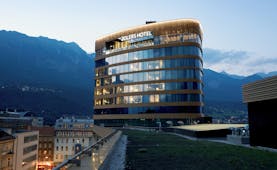
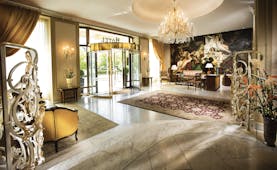
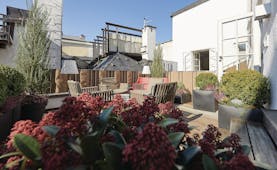
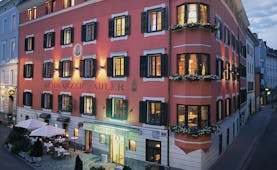
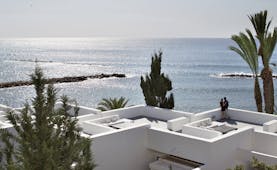
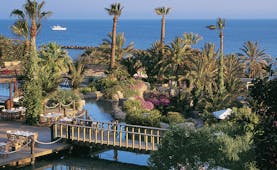
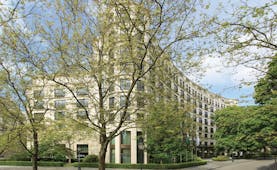
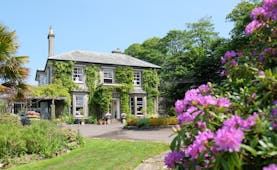
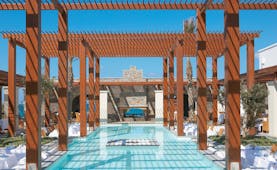
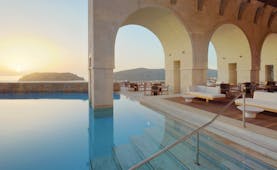
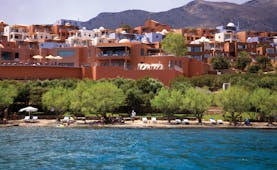
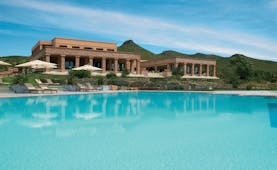
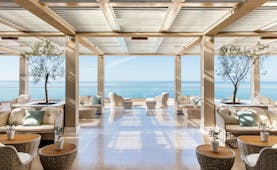
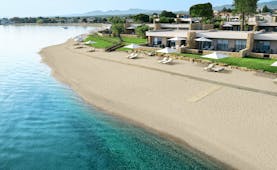
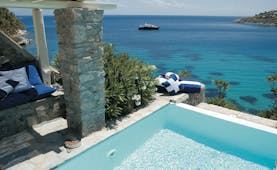
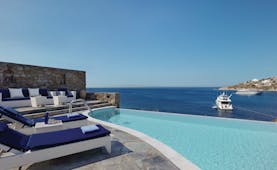
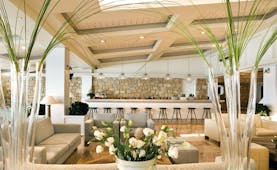
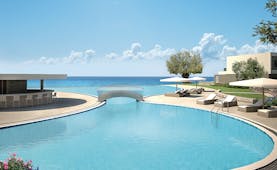
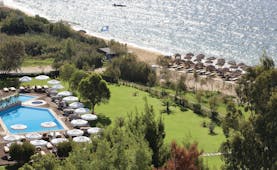
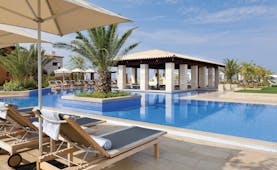
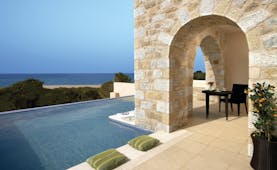
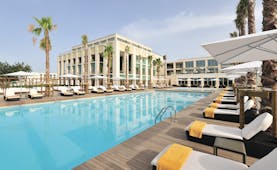
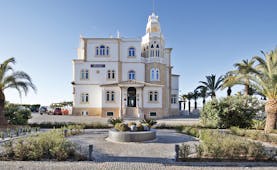
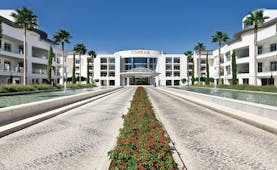
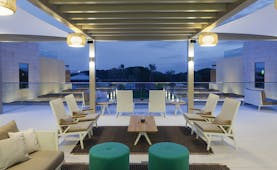
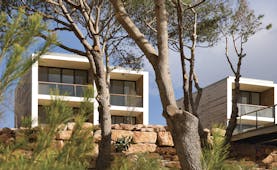
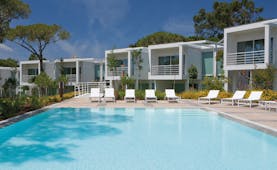
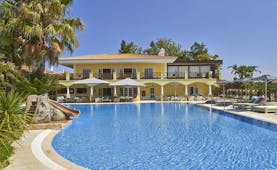
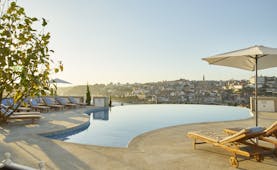
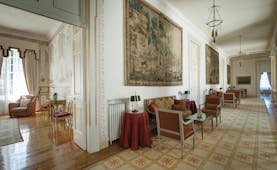
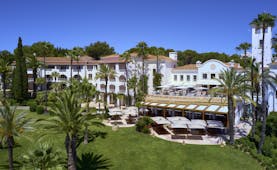
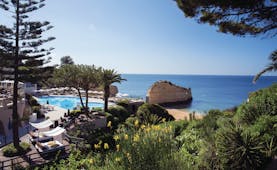
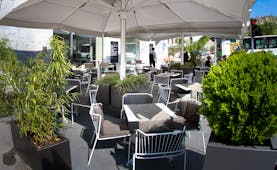
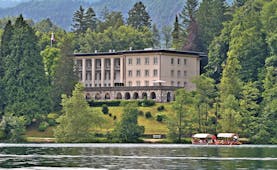
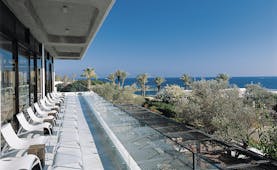
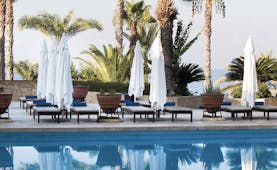
The five-star Villa Dubrovnik occupies a clifftop position in the prestigious Sveti Jakov district, its modernist architecture, first designed in 1961, sitting apart from the more traditional buildings of the surrounding area. Stone terraces shaded by Aleppo pines and Mediterranean cypresses descend through the grounds to a private rocky beach at the foot of the cliff, with direct sea access via stone steps. The 56 rooms, suites, and residences all feature private balconies or terraces with views across the Adriatic, Lokrum Island, or Dubrovnik's Old Town, and the interiors incorporate original Croatian stone, hand-glazed terracotta tiles, and bespoke furniture alongside works by Croatian painters, sculptors, and designers. For dining, the Michelin Guide-recommended Pjerin Restaurant serves seasonal haute Mediterranean cuisine centred on Adriatic fish and seafood — the lobster spaghetti and handmade artichoke-and-ricotta ravioli are among the signatures — with Croatian wine pairings and panoramic terrace views of the Old Town and Lokrum Island. The more relaxed Giardino Restaurant, with open-air kitchen, occupies a terrace beneath century-old pine trees beside an ancient stone wall, serving open-air Mediterranean lunches, and Galanto, the only rooftop bar in Dubrovnik, is the place to be at sunset, with cocktails and views over the UNESCO-listed city and the sea beyond. The multi-level Villa Spa offers five treatment rooms drawing on locally grown immortelle flowers, carob scrub, and organic Croatian cosmetics, alongside a Finnish sauna, steam room, and an indoor heated pool with floor-to-ceiling windows and panoramic Adriatic views.
Room descriptions
Villa Dubrovnik has 56 rooms, suites, and residences, each with a private balcony or terrace, air-conditioning, minibar, flat-screen TV, double vanity in bathroom, complimentary toiletries, free Wi-Fi, and 24hr room service.
I wanted to thank you for organising such a great trip - we have absolutely loved it. Really it couldn’t have all gone better - thank you for organising it so perfectly for us.Mrs C, June 2024
From about
Holiday Code EXH4685
The prices displayed here are a guide only. Each holiday price will be tailor-made at the time of booking to reflect all actual costs including up-to-date special offers.
Call us on 01392 441245
Luxury bespoke hotel holidays to Villa Dubrovnik, Croatia
The journey and how you get there
For a holiday to Villa Dubrovnik, fly to Dubrovnik Airport and travel to the hotel by hire car or private transfer. A hire car is less essential for those focusing on Dubrovnik itself, as the hotel's complimentary shuttle connects guests to the Old Town, though it is useful for day trips to the Konavle Valley, Cavtat, the Pelješac Peninsula, and Ston.
Additional information
Children: Villa Dubrovnik welcomes families, with suite and residence categories offering additional bedrooms and beds.
I wanted to thank you for organising such a great trip - we have absolutely loved it. Really it couldn’t have all gone better - thank you for organising it so perfectly for us.Mrs C, June 2024
From about
Holiday Code EXH4685
The prices displayed here are a guide only. Each holiday price will be tailor-made at the time of booking to reflect all actual costs including up-to-date special offers.
Call us on 01392 441245
Luxury bespoke hotel holidays to Villa Dubrovnik, Croatia
About Croatia
Luxury Holidays to Croatia | Tailor-Made Tours & Bespoke Travel
Why choose Croatia for a luxury holiday?
Croatia reveals herself as one of Europe's most beguiling destinations for luxury holidays, offering discerning UK travellers an unparalleled combination of cultural richness and natural beauty. Our tailor-made holidays to Croatia provide access to the Adriatic's crystal waters, ancient Venetian harbours, and eight UNESCO World Heritage Sites, including Dubrovnik's honey-stoned ramparts and the emerald cascades of Plitvice Lakes National Park.
What makes bespoke Croatia holidays special?
The Dalmatian coast delivers Mediterranean perfection through our luxury hotel stays in Croatia—medieval walled towns like Split and Dubrovnik cascade down to yacht-filled marinas, while over 1,000 pine-scented islands offer exclusive retreats. Inland, Istria's hilltop villages, truffle-rich oak forests, and award-winning wineries provide authentic gastronomic experiences, whilst Zagreb's Austro-Hungarian architecture offers sophisticated city breaks.
Croatian food and wine experiences
Croatian cuisine uniquely blends Central European and Mediterranean traditions: Istrian white truffles, Adriatic oysters from Ston, peka (slow-cooked lamb under ember bells), and indigenous wine varietals including Plavac Mali, Malvasia Istriana, and Pošip from Korčula.
Croatian cuisine reflects the country's diverse geography and history. Along the Dalmatian coast, expect exceptional seafood—octopus salad, black risotto coloured with cuttlefish ink, and grilled fish drizzled with olive oil and local herbs. Inland, hearty Central European influences prevail: rich meat stews, štrukli (cheese dumplings), and slow-roasted lamb under peka, a traditional bell-shaped dome. Istria offers Italian-inflected dishes elevated by precious white truffles and wild asparagus. Pag island produces Croatia's finest sheep's cheese, whilst air-dried pršut rivals Italian prosciutto. Every region takes pride in its olive oil, with Istrian oils winning international awards. Simple, quality ingredients—sun-ripened tomatoes, Adriatic anchovies, island-grown capers—define Croatian gastronomy.
The rolling hills of Istria produce some of Croatia's finest wines, with indigenous varieties thriving in the terra rossa soil. Malvazija Istarska, a crisp white with notes of acacia and almonds, dominates the coastal vineyards, whilst the robust red Teran flourishes inland near Motovun. Small family-run wineries dot the countryside between medieval hilltop towns, many offering intimate tastings in centuries-old stone cellars. The microclimate—Mediterranean coastal breezes meeting continental influences—creates ideal conditions for viticulture. Notable estates like Kozlović and Roxanich have gained international recognition, yet Istrian wine culture remains refreshingly unpretentious. Pair these distinctive wines with local truffles, Pag cheese, and pršut for an authentic taste of the peninsula's gastronomic heritage.
Top luxury experiences in Croatia
Our bespoke Croatia holidays can provide you with private guided tours of Diocletian's Palace (a living Roman monument), exclusive wine tastings at family-owned Istrian vineyards, and evening walks through Rovinj's Venetian-era cobbled streets.
Highlights of Croatia
The capital city of Zagreb encapsulates Croatia. The Upper Town, or Gornji Grad, rises above the terracotta rooftops, accessed by the charming 19th-century funicular—one of the world's shortest. The medieval Stone Gate, with its miraculous icon of the Virgin Mary, stands sentinel over cobbled streets where café culture thrives beneath chestnut trees. To transition from the historic heart to the elegant Austro-Hungarian Lower Town, stroll down through the vibrant Dolac Market, where farmers still sell produce from wicker baskets. Zagreb is home to the Museum of Broken Relationships, an utterly unique collection that captures the Croatian spirit—poignant, humorous, and deeply human. Though this city is the country's capital, it retains an intimate, walkable character. Plane trees shade the broad boulevards of the Lower Town, parks punctuate the elegant 19th-century architecture, and pavement cafés spill onto every square and street corner. The walled city of Dubrovnik on the Dalmatian coast is rightly celebrated as the 'Pearl of the Adriatic'. The old town itself, with its gleaming limestone streets polished smooth by centuries of footfall, is a UNESCO World Heritage monument and looks out across the shimmering Adriatic Sea. The dramatic Dinaric Alps form a stunning backdrop. The city's main thoroughfare, the Stradun, leads directly from the Pile Gate to the elegant Luža Square, where Renaissance palaces now house museums and galleries. Visitors here benefit from all the beauty of Mediterranean Europe combined with a rich maritime heritage. Walk the complete circuit of the medieval walls—nearly two kilometres of ramparts offering breathtaking views across terracotta roofs to the azure sea beyond. One of the natural wonders of Europe, Plitvice Lakes National Park is Croatia's most visited natural attraction, featuring sixteen terraced lakes connected by spectacular waterfalls and cascades. The wooden walkways that take you through this aquatic wonderland have allowed visitors to traverse the emerald and turquoise waters for decades. The park's travertine barriers create an ever-changing landscape—the waterfalls literally grow and shift over time. Guided tours draw your attention to features such as the 78-metre Veliki Slap waterfall, the rich biodiversity including brown bears and rare orchids, and the remarkable clarity of water that reveals submerged tree trunks and limestone formations. In the heart of Istria lies the hilltop town of Motovun, perched dramatically above vineyards and the misty Mirna River valley. Its medieval ramparts have encircled the town for centuries, offering panoramic views across Istria's undulating landscape of forests and fertile valleys. The narrow streets wind upward past stone houses adorned with geraniums to the main square, where locals still gather for their morning coffee. In summer, the town hosts the renowned Motovun Film Festival, when the ancient walls are transformed into outdoor cinemas. The surrounding forests are famous for their white truffles, and autumn brings truffle hunters and their trained dogs to search beneath the oak trees. The Dalmatian islands scattered along Croatia's coast number over a thousand, each with its distinct character. Hvar town, on the island of Hvar, combines Venetian elegance with lavender-scented hillsides and some of the Adriatic's clearest waters. The 13th-century city walls enclose a Renaissance cathedral and the oldest public theatre in Europe, dating from 1612. The harbour promenade, lined with palms and agaves, comes alive each evening as locals and visitors gather for the traditional evening stroll, or korzo. Meanwhile, Korčula—believed to be Marco Polo's birthplace—enchants with its herringbone street layout designed to protect against winds, whilst Vis remains beautifully uncommercialised, its dramatic coastline hiding the luminous Blue Cave on nearby Biševo island. For a true insight into traditional Croatian culture, visit the Dalmatian hinterland, where the klapa singing tradition still thrives. In villages around Split and Omiš, men gather to perform this a cappella harmony singing, recognised by UNESCO as intangible cultural heritage. The coastal town of Omiš itself hosts an annual klapa festival each summer, where local groups compete beneath the fortress walls, their voices echoing across the Cetina River canyon.
Cultural highlights of Croatia
Split's historic centre is built within and around Diocletian's Palace, a UNESCO World Heritage site constructed by the Roman Emperor in the 4th century AD as his retirement residence. Unlike museum ruins, this palace is vibrantly alive—its ancient walls now contain apartments, restaurants, shops, and even a cathedral built into the emperor's mausoleum. The peristyle courtyard, where Diocletian once received dignitaries, now hosts summer concerts and late-night gatherings. Walking these limestone streets, you're literally living within Roman history, as locals have done for 1,700 years. The baroque city of Varaždin in northern Croatia served briefly as the Croatian capital in the 18th century and retains an elegant, Central European atmosphere. Its pastel-coloured palaces and ornate churches surround spacious squares, whilst the imposing Varaždin Castle houses a city museum spanning five centuries. The town is particularly renowned for its elaborate baroque music festival each September, when period costume processions fill the streets and concerts echo from historic churches. Rovinj, on the western Istrian coast, rises from the Adriatic like a jewel, its tightly packed houses in ochre, terracotta, and cream climbing the hill to the Venetian campanile of St Euphemia's Church. The Venetian influence pervades the old town—Gothic palaces, narrow calli (streets), and Italian-speaking locals reflect centuries under La Serenissima's rule. The Grisia Gallery Street becomes an open-air exhibition each August, when artists display their work along the cobbled lane. The harbour, with its traditional batana boats, remains a working fishing port where you can still watch the catch being landed at dawn. Croatia's islands preserve traditional crafts and customs. On Pag, women still create intricate lace using techniques unchanged since the Renaissance—Pag lace is so fine it was once presented to European royalty. The island is also famous for Paški sir, a hard sheep's cheese aged in olive oil, its distinctive flavour imparted by the aromatic herbs the sheep graze. Meanwhile, on Hvar, the centuries-old tradition of lavender cultivation continues, the purple fields harvested each June in scenes that could be from Provence.
Facts in brief
Capital ZagrebAirport Zagreb, Pula, Split, and Dubrovnik are the main air gateways
Size 21,612 sq. miles
Population 3.87 million