
Luxury holidays to Spain: luxury hotel holidays, touring holidays and special interest holidays
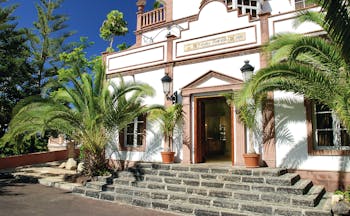
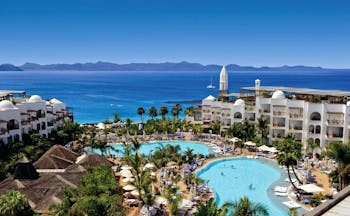
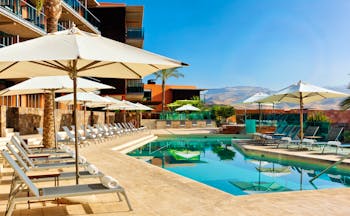
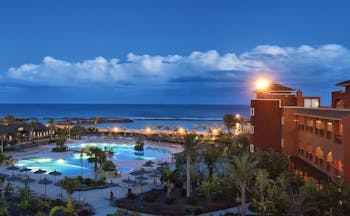
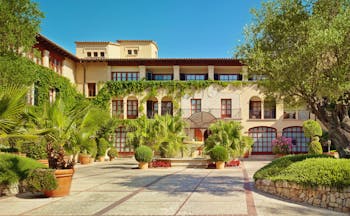
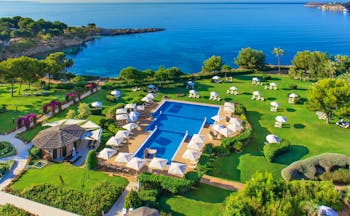
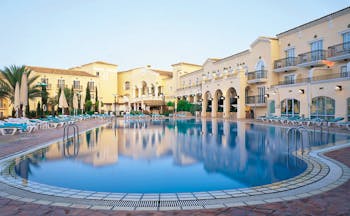
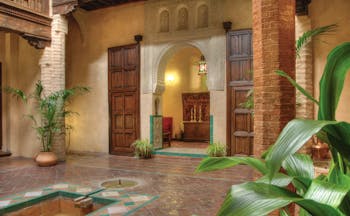
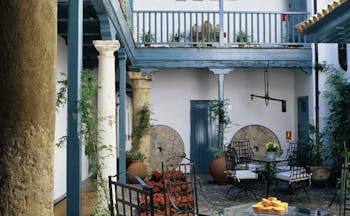
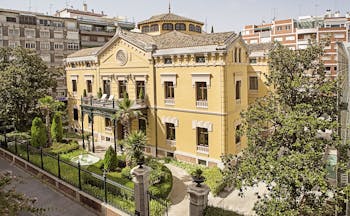
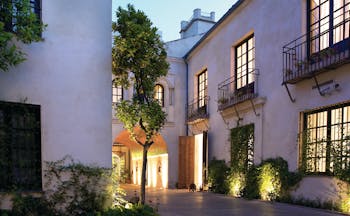
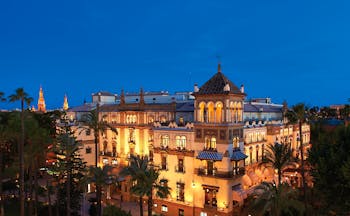
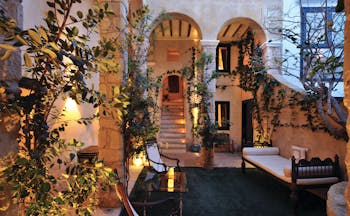
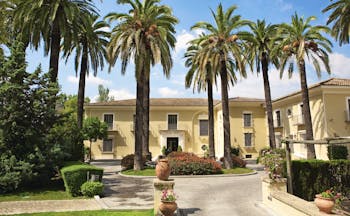
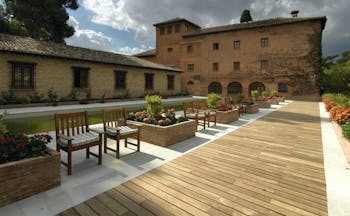
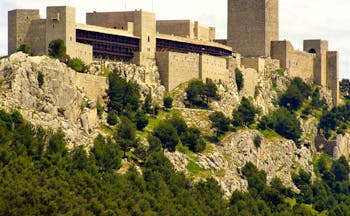
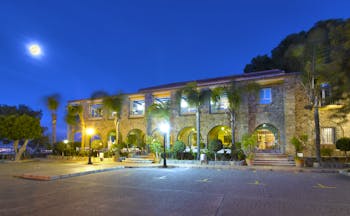
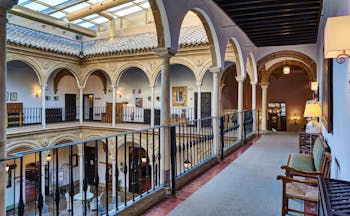
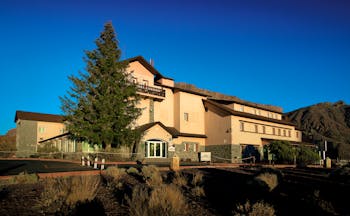
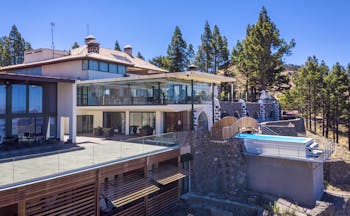
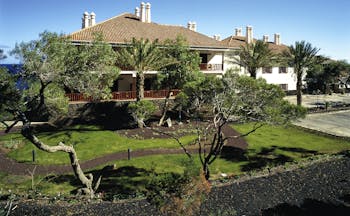
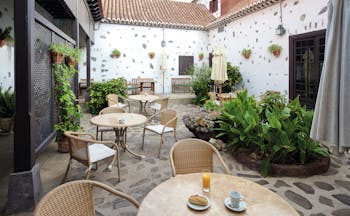
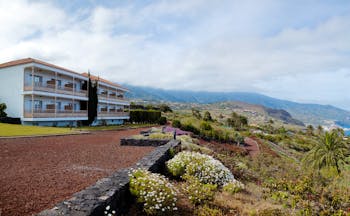
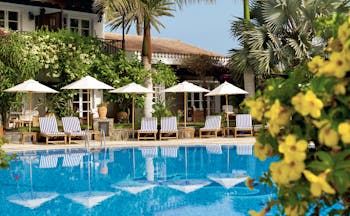
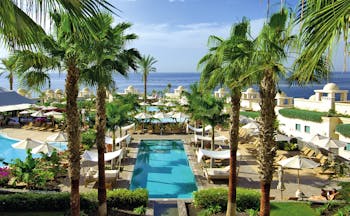
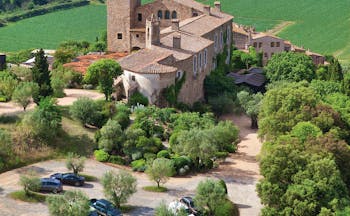
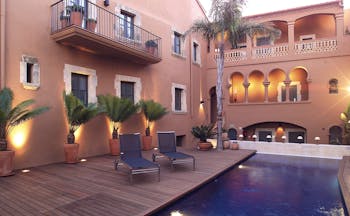
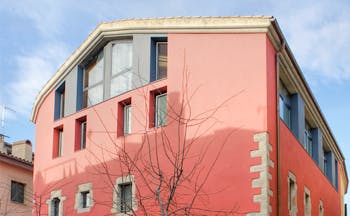
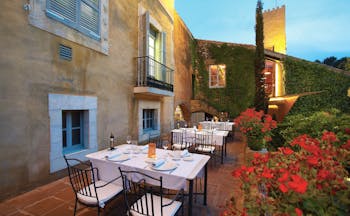
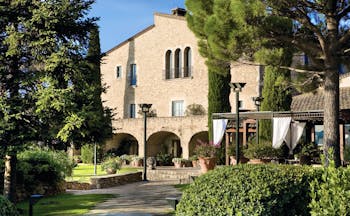
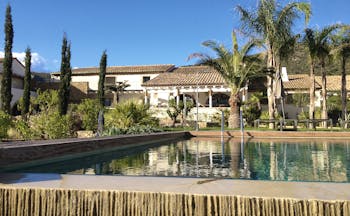
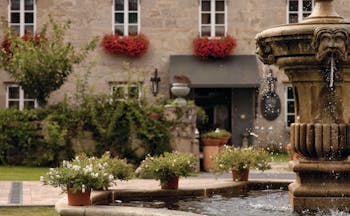
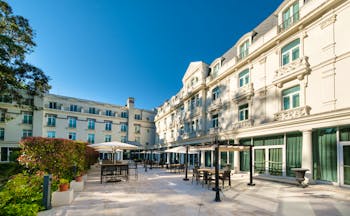
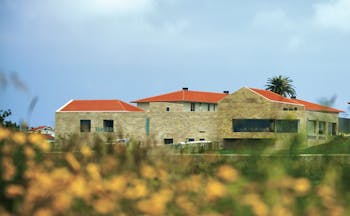
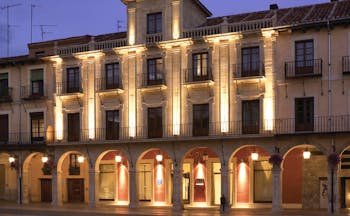
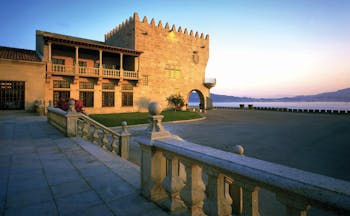
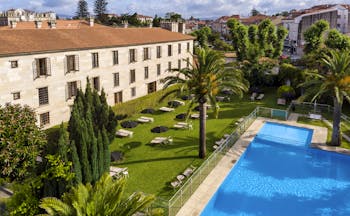
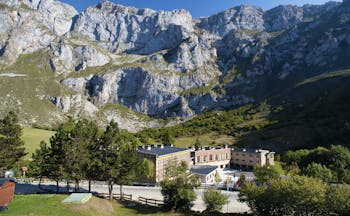
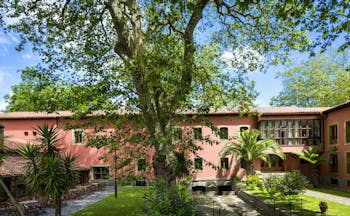
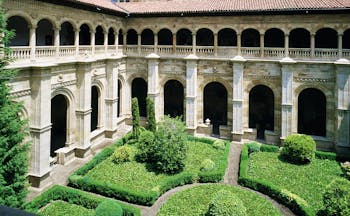
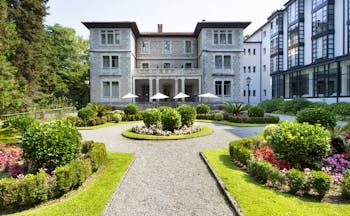
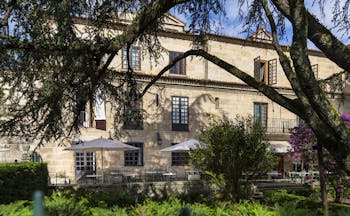
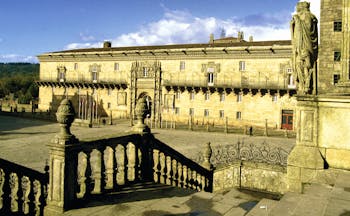
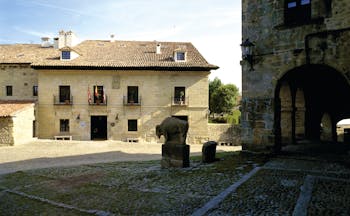
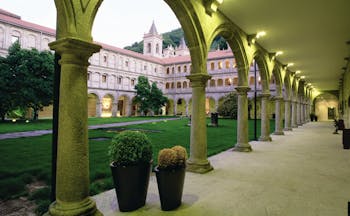
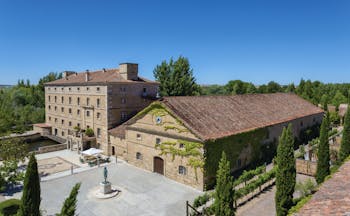
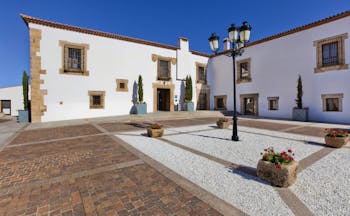
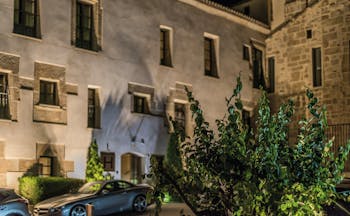
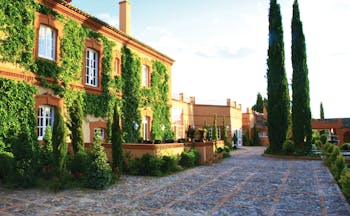
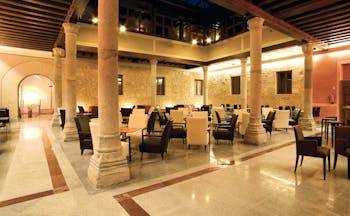
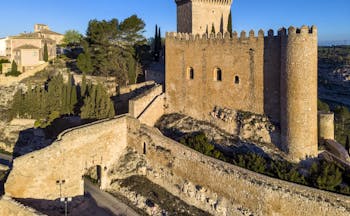
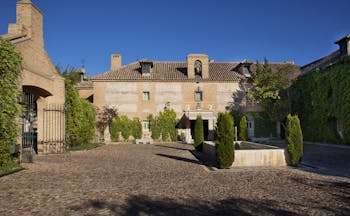
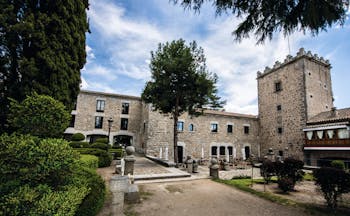
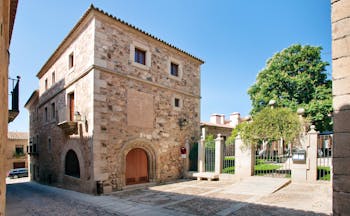
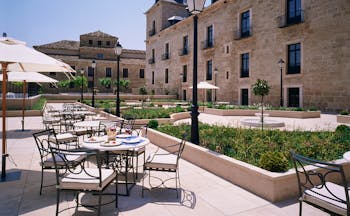
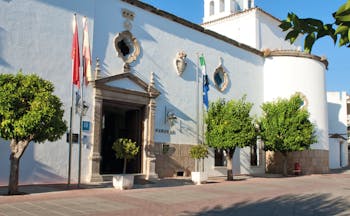
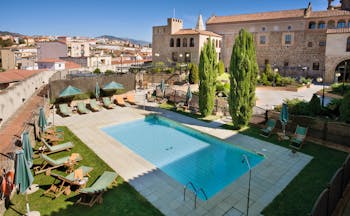
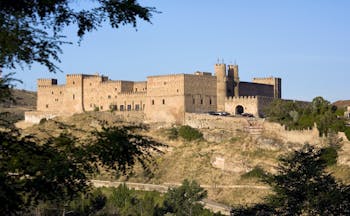
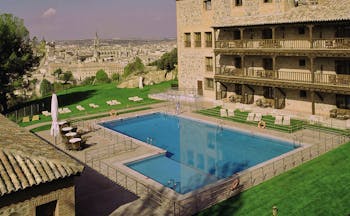
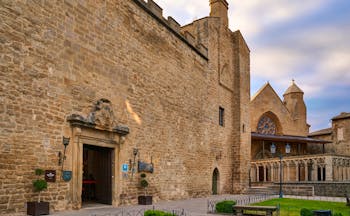
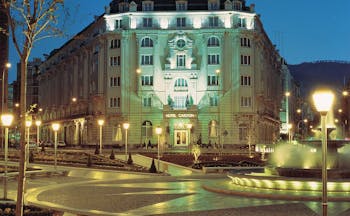
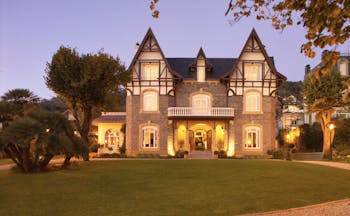
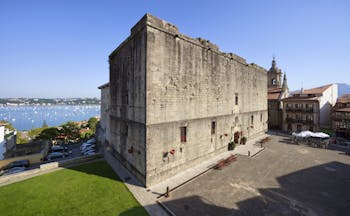
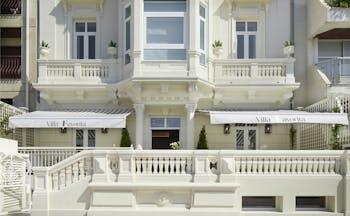
Luxury holidays to Spain from Expressions Holidays. We have 30 years’ experience in offering luxury, tailor-made holidays for individuals featuring a personal selection of luxurious hotels, full of regional and local charm and character, which offer exceptionally high standards of comfort, service, facilities and cuisine. Many of our personally selected luxury hotels are among the most acclaimed in Spain; others are full of rustic local Spanish character and charm and we offer a number of Paradores in historic buildings throughout the country.
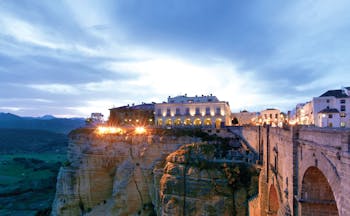
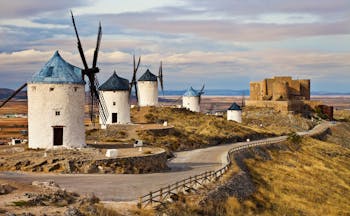
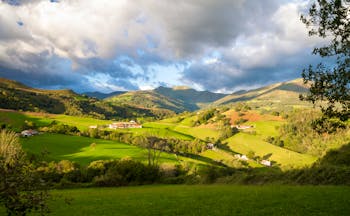
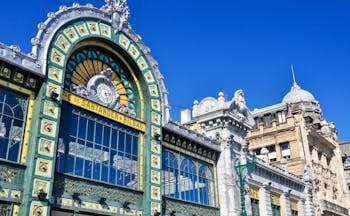
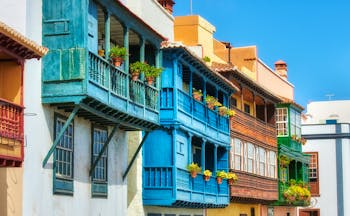
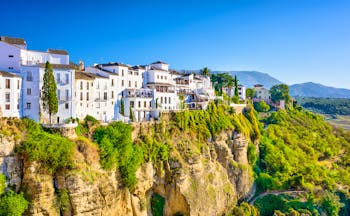
Spanish Expressions offers tailor-made luxury holidays to regions throughout Spain, from Galicia to Andalucia, including Castille and Aragon at the heart of Spain, but also the Balearics and the Canaries. With Spanish Expressions you can visit popular regions and resorts such as Andalucia with its historic cities of Granada and Seville, its ‘pueblos blancos’ behind the coast and also the coast itself from Malaga to Cadiz. We also offer you many, many less well-known regions such as Asturias, Extremadura and the Basque Country.
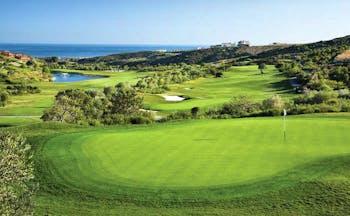
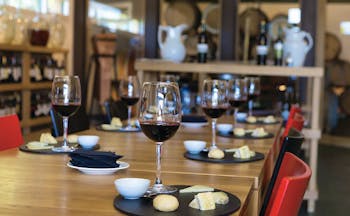
An increasingly important feature of Spanish Expressions which reflects our specialist knowledge and expertise in Spain is our range of special interest holidays, which might be golf or spa, constructing an itinerary for clients wanting to find wild flowers in Lanzarote in Spring, exploring the wineries and wine tasting in Rioja and the Duero valley, following the ancient historical tracks and paths from north to south and east to west across Spain.
Frequently Asked Questions
Our bespoke, luxury hotel holidays can be
● Single centre or multi-centre● Long or short stays
● Combine a variety of different hotels in different regions
● Utilise a variety of transport arrangements to Spain and within Spain, combining flights, hire-car, rail, ferries with own-car and private transfers
Included in all our holidays
● Concierge service● Handcrafted helpful hints and local information provided with all our holidays
● Personal service by your sales consultant who looks after all aspects of your holiday
● Financial protection with our ATOL (3076) for all holidays including a flight and AFPS (6104) for all non-air holidays
Call us on 01392 441245
Luxury holidays to Spain: luxury hotel holidays, touring holidays and special interest holidays
Our hotels
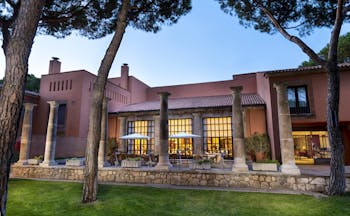
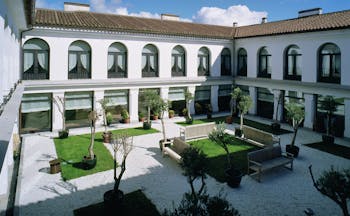
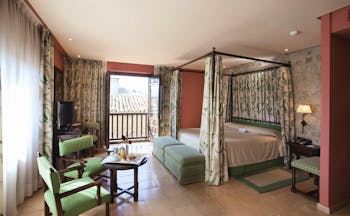
Each hotel featured by Spanish Expressions has been personally selected to deliver exceptionally high standards of comfort, service and cuisine. Many of our luxury hotels are among the most highly acclaimed in the whole of Spain. Some have more local or rustic charm and character, but all are authentic and typical of their region. Although most of our portfolio of hotels tend to be 4-or 5-star hotels, each hotel has unique qualities and an authentic individuality and we can offer you all the Paradores in Spain and the islands. We offer you a choice of room types at each hotel, so whilst the sample prices we quote are usually just based on a standard or entry-level room, we can offer you upgraded rooms, junior suites and suites. Really according to the variety of rooms each hotel has. In Spain, we almost always include bed and breakfast in the basic holiday price but if the hotel offers half board then we can offer you half board at a supplement. We know the hotels we work with and we have built up an experience of them over the years. We send our Spanish sales team to Spain on a regular basis to visit new regions and to revisit old ones. Let us share this knowledge with you can guide you in your choice of holiday hotel.
Travel
Spain can be reached in about two hours by air or in almost 24 hours by boat and once in Spain distances are considerable with Bilbao in the north to Algeciras in the south covering about 1000 kms. The travel options we offer reflect the diversity possible for holidays to Spain. Travel can be by air, by train, by own car, with hire-cars, with private transfers, and by local ferry in the Canaries for example. Again, the choice is yours. You choose your departure date, method of transport, duration and number of stays in hotels.
By air
We include British Airways flights from London in the basic holiday price but we can book other airlines for you if the route is more appropriate. Easyjet and Flybe are the most popular airlines in addition to British Airways but there are also charter flights from regional airports that we can book for you too. With British Airways we can offer you Club Europe as an option. Many of our holidays will involve flying into one airport and out of another.
By rail
Rail travel to Spain is an increasingly popular option because it is a great way to see the countryside and to cover long distances in relatively short times. You can travel all the way from the UK to Spain by taking the Eurostar to Paris, then continuing onwards by high-speed train via Catalonia or the Basque Country. It will be necessary to stay overnight in Barcelona or San Sebastian before travelling to your final destination, or you might choose to break your journey in Paris or another French town or city. High-speed AVE trains link Spain’s major cities, facilitating travel between regions.
By own car
It is very easy to travel by ferry to northern Spain with your own car. Brittany Ferries offers a weekly ferry service from Plymouth to Santander (journey time around 20 hours), twice weekly ferries from Portsmouth to Bilbao (journey time around 24 hours) and twice weekly ferries from Portsmouth to Santander (journey time around 24 hours).
Hire-car
A hire-car is an absolute necessity for many of our holidays as without one the transfer is long and expensive and you need to be able to get out and about whilst at your holiday destination. Using a hire-car is a very cost-effective and convenient means of getting from the airport to your hotel and back, and also allows you to explore the area during the course of your stay. We work with Avis in Spain.
Private transfers
We organise private car transfers for many of our clients. A transfer is particularly appropriate for destinations that are a single centre, perhaps on the coast and not too far from the airport.
Local ferries
It is also possible to travel between destinations by ferry, particularly in the Canary Islands where several ferry companies run regular services between islands.
Our bespoke, luxury hotel holidays can be
● Single centre or multi-centre● Long or short stays
● Combine a variety of different hotels in different regions
● Utilise a variety of transport arrangements to Spain and within Spain, combining flights, hire-car, rail, ferries with own-car and private transfers
Included in all our holidays
● Concierge service● Handcrafted helpful hints and local information provided with all our holidays
● Personal service by your sales consultant who looks after all aspects of your holiday
● Financial protection with our ATOL (3076) for all holidays including a flight and AFPS (6104) for all non-air holidays
Call us on 01392 441245
Luxury holidays to Spain: luxury hotel holidays, touring holidays and special interest holidays
Regions of Spain
Once a divided land of rival kingdoms, the country today retains a fascinating diversity of language and culture, cuisine and art, with a journey of just a few hours taking you through scenes of total contrast. From its Roman relics to Muslim palaces, from baroque cathedrals to Modernista constructions, the country is strewn with artistic and architectural treasures.
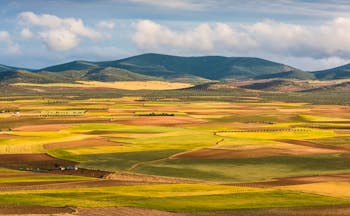
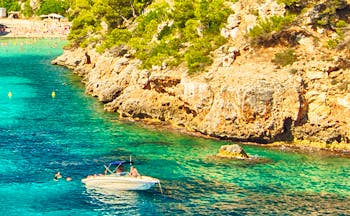
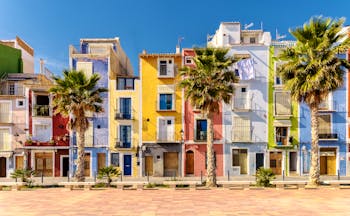
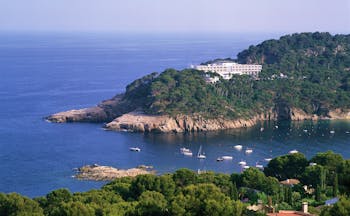
Spain's old urban centres – spurred on by more than 30 years of democracy and rapid economic development – are a treasure trove of architectural jewels, with Romanesque, Gothic, and Baroque churches, Moorish fortresses and Renaissance palaces. Here, an army of local and international architects has left a slew of daring signature buildings in Barcelona, Bilbao and Madrid. Away from the exhilarating cities – where dinner rarely starts before 9pm, and nights go on long into the early hours – Spain’s beaches form an irresistible part of Spain’s holiday offering, whether it’s the classic sun, sea, sand and water-sports resorts of the Costa Blanca and Costa del Sol, or the quieter, rugged delights of the Costa Brava. However, while coastal and island holidays remain extremely popular, many visitors are also turning inland to countryside which is littered with medieval towns and hilltop castles, wild, windswept coasts and whitewashed villages virtually unchanged in centuries. Mountainous national parks offer stunning hiking in alpine environments, while the north coast offers rolling green hills, huddled fishing villages and isolated sandy coves.
Capital
Madrid
Airports
The international airports we use most frequently with our holidays are Madrid, Barcelona, Malaga, Seville, Granada, Santiago de Compostela, Bilbao, Valencia, Alicante, Palma de Mallorca, Tenerife South and the other airports on each of the Canary Islands.
Currency
Euro
Size
195,000 sq miles
Population
46 million
Average temperature
Climate varies dramatically from region to region, with the meseta (high tableland of central Spain), Ebro basin and Andalusia scorching in summer (up to 45 degrees Centigrade), cold and dry in winter. The Mediterranean coast and Balearic Islands get a little more rain than Madrid, and the south can be even hotter in summer. The Mediterranean, particularly around Alicante, also provides Spain’s warmest waters (reaching 27°C or so in August). Barcelona’s weather is typical of the coast – milder than in inland cities but more humid.
National holidays in Spain
Some tourist attractions as well as banks etc may close on the following days:
1 January
Good Friday
1 May (Labour Day)
15 August (Assumption of the Blessed Virgin Mary)
12 October
1 November (All Saints)
6 December (Constitution Day)
Christmas Day
There are numerous local feast days that can affect conditions locally. In addition to the above days, museums are often closed on Mondays in Spain.
Unmissable holiday experiences in Spain
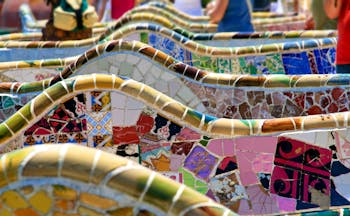
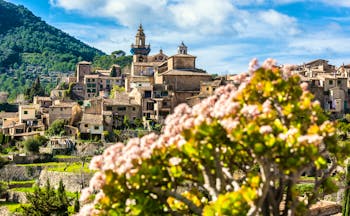
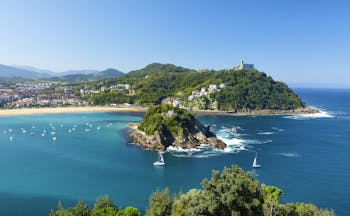
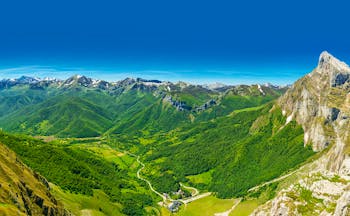
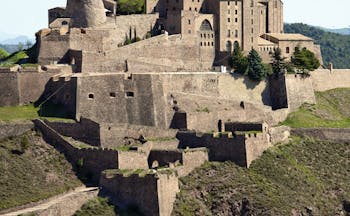
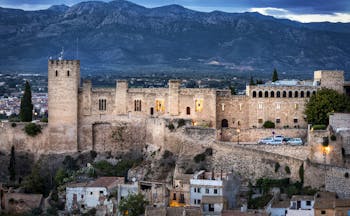
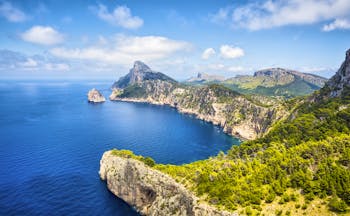
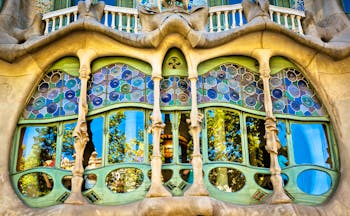
Parador hotels, housed in converted historic buildings, from monasteries and palaces to fortresses and convents; Gaudi’s iconic architecture and the Gothic quarter in Barcelona, where La Boqueria, the city’s colourful market, is also an absolute essential; the Guggenheim museums in Bilbao and Madrid; El Classico, one of the fiercest sporting rivalries on the planet, when Real Madrid take on Barcelona; the Semana Santa Easter celebrations in Granada and Seville; Granada’s remarkable 800-year old Moorish architecture, including of course, the Alhambra Palace; eating tapas in village and town squares, watching the world go by; the Balearic Islands, from the spectacular Cap Formentor on Majorca’s northwest, along with Majorca’s wonderful beaches and medieval towns of Pollenca, Soller and Deya, to the crystal coves of Menorca and buzzing Ibiza; the guaranteed winter sun and surreal volcanic interior of Lanzarote, along with the other Canary Islands; hillwalking in the Pyrenees, with mountain refuges and village restaurants serving fabulous rustic boar stews washed down with home-made reds; San Sebastian, an elegant Basque city on a crescent beach; Seville, the Andalusian capital, home of flamenco and mesmerising festival parades; Cantabria, Asturias and Galicia, super coastal scenery and wilderness; the lovely hamlets of the Alpujarras in the Sierra Nevadas; the stage-set, stunning 16th century towns of Extremadura; Toledo, homeland of El Greco, with a fascinating medieval old town in heart of Castilla; Santiago de Compostela, a stunning medieval city that marks the end of a centuries’ old pilgrimage; Picos de Europa, towering above the beach-studded Asturian coast; Cuenca, with its ‘hanging houses’, seemingly dangling from the clifftops of this UNESCO-protected mediaeval town.