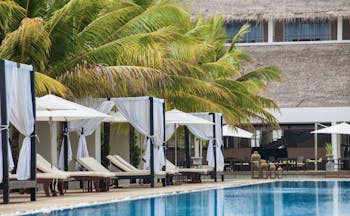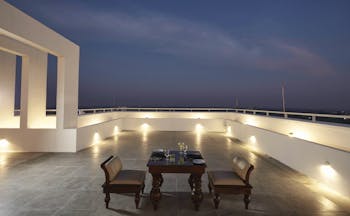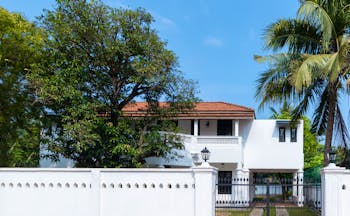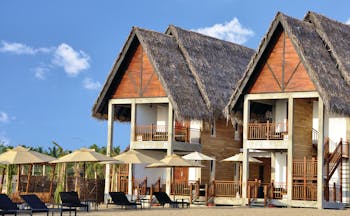
Luxury hotel holidays to Sri Lanka's north and east coasts

Luxury holidays to Sri Lanka's north and east coasts: luxury hotel holidays, touring holidays and special interest holidays

An Expressions tailor-made holiday to the north region of Sri Lanka allows travellers to explore a less popular region of the beautiful and diverse country. Strewn with Hindu temples and colonial gems, with long white beaches, mangrove lagoons and spectacular snorkelling, Sri Lanka’s far north and eastern coast has been denied to tourists by years of unrest, but with peace restored and hotels reopening, the region now welcomes visitors with a warmth and enthusiasm kindled by decades of isolation. We are thrilled to be adding this fabulous region to our Sri Lanka programme. Marooned at the very northern tip of Sri Lanka on a peninsula that reaches out both physically and culturally towards India’s Tamil south only 50-odd miles across the Palk Strait, Jaffna is the capital of the north, bustling again after years of reluctant quiet. An utterly intriguing city, Jaffna is littered with intriguing glimpses of its turbulent past, a place where Anglican churches and cathedrals all but rub shoulders with Hindu temples and mosques. Bursting with colour, the city centre has recaptured its joyous buzz, with the cricket games played on dusty maidens and the roadside market stalls groaning beneath towers of mangoes emblematic of the city’s rebirth. Down the east coast, Trincomalee, or Trinco as it is affectionately known in these parts, is a pretty harbour town still echoing a thriving colonial past. Increasingly known as a whale-watching and diving destination, sperm and blue whales come into the bay through deep underwater canyons, Trinco is also the gateway to a string of spectacular, palm-fringed beaches to its south. Of these, the remarkably undeveloped but achingly beautiful Passikudah is perhaps our favourite, and lying only 40 miles east of Polonnaruwa, it offers a stunning beach-extension to Sri Lanka’s magnificent Cultural Triangle.

Frequently Asked Questions

Yes. The civil war ended in 2009, and the north and east have been open to visitors for many years, with roads, railways and hotels rebuilt and travel as straightforward as elsewhere on the island. Our clients travel here with a private driver-guide who knows the region well. Some areas of the Northern Province are still being cleared of landmines by specialist organisations, which is why it is sensible to keep to roads and established paths, as your guide will advise. The region's history is recent and deeply felt, and it is part of what makes a visit meaningful. In Jaffna, the restored Public Library, burned in 1981 and reopened in 2003, and the damage still visible in places, speak of what the community endured, and many visitors find that understanding something of this enriches their time here. We would suggest listening rather than offering opinions on political matters, and being sensitive when photographing military sites or memorials, where photography may not be permitted. Above all, the people of the north are welcoming and proud of their culture, and visitors who show interest in its temples, food and traditions are received with considerable warmth. We keep in close touch with our ground agents and will always advise on current conditions.
Jaffna is the cultural heart of Sri Lanka's Tamil community, and it feels distinct from the rest of the island, closer in some ways to southern India, which lies only around fifty miles across the Palk Strait. Its most important sight is the Nallur Kandaswamy Temple, dedicated to Lord Murugan, with its golden gateway tower and its daily ceremonies of music, fire and offering; men are expected to remove their shirts before entering, and everyone removes their shoes. The Portuguese built the first fort here in the seventeenth century, and the Dutch replaced it with the large star-shaped fortress that still stands by the lagoon. The town's churches, mosques and Hindu temples sit close together, and the Public Library, rebuilt in its original Indo-Saracenic style, is a moving place to visit. The market is full of colour, with gold jewellery, saris and produce from the peninsula's farms, and Jaffna's cuisine, spicier and quite different from that of the south, is a highlight, from crab curry to dishes made from the palmyra palm. A short drive north, at Kantarodai, a cluster of small ancient stupas recalls an early Buddhist presence. Jetwing Jaffna, with its rooftop bar, is a comfortable modern base, while Jetwing Mahesa Bhawan offers just four rooms in a restored family house.
Yes, and for the curious traveller they are among the most memorable experiences in the north, though they call for a sense of adventure. Several islands are linked to the peninsula by causeway, including Kayts and Karaitivu, which has Casuarina Beach, the most attractive on the peninsula, with calm, shallow water. Nainativu is reached by a short boat crossing from Kurikadduwan and is a place of pilgrimage for two faiths: Buddhists come to the white Nagadeepa Vihara, associated with a visit by the Buddha, and Hindus to the brightly decorated Naga Pooshani Amman Kovil, dedicated to the goddess Parvati in her serpent form. Delft, a longer crossing of an hour or so, is quite unlike anywhere else in Sri Lanka: a flat, windswept island of coral-stone walls, where feral ponies descended from those brought by the Portuguese and Dutch still roam, and where the ruins of a Dutch fort and a great baobab tree recall the island's trading past. The boats are simple public ferries, facilities on the islands are basic, and crossings depend on the weather, so these are best treated as full-day excursions with your driver-guide. They are rewarding precisely because so few visitors make the journey.
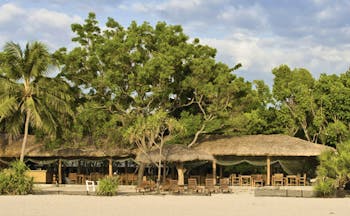
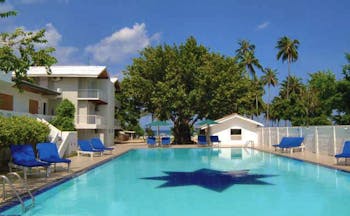
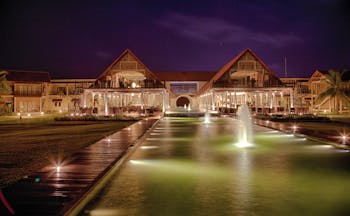
Both are excellent, and the choice depends on whether you would like culture and variety close at hand or a calm, sheltered bay. Trincomalee is a historic harbour town with a mixed Tamil, Sinhalese and Muslim community. On the headland of Fort Frederick, where spotted deer wander among the colonial buildings, the Koneswaram Temple stands above the sea on Swami Rock, and the town's market and waterfront are lively. North of the town, the long beaches of Uppuveli and Nilaveli are wide and quiet, and our hotels here include Uga Jungle Beach, set between forest and sea, Amaranthe Bay, between a river and the ocean, and the beachfront Anilana Nilaveli, Nilaveli Beach Hotel and Pigeon Island Beach Resort. Passikudah, a little over an hour's drive from Polonnaruwa, is a shallow, reef-protected bay where the water stays calm and clear, which makes it ideal for those who simply want to swim and relax. Uga Bay, Maalu Maalu, Amaya Beach and Anilana Pasikuda all sit directly on the bay. For a combination of beach and sightseeing, Trincomalee is the better choice; for pure relaxation, Passikudah. Both pair naturally with the Cultural Triangle, and we will advise on the right hotel for you.
The east coast offers some of the finest snorkelling in Sri Lanka and, in season, the chance to see whales. Pigeon Island National Park, a small marine reserve a short boat ride from Nilaveli, protects a coral reef in shallow water where turtles, reef fish and blacktip reef sharks are regularly seen. It is best visited in the morning, before the boats from the mainland arrive in numbers, and the reef is fragile, so visitors are asked not to stand on the coral or feed the fish; the park is open during the calm season on this coast, broadly from May to October. Trincomalee's deep-water harbour is linked to a submarine canyon that brings large whales close to the coast, and blue and sperm whales can be seen on boat trips from Trincomalee during the same season, though sightings are less frequent than off Mirissa in the south, and the trips can be long. Divers will find wrecks and reefs around Trincomalee and Passikudah, with good visibility in the calm months. The east coast also has some of the island's best inshore fishing, and fresh seafood is one of the pleasures of a stay here. We will help you choose the right excursions and operators for the time of your visit.
The best time is broadly from May to September, which makes the region a valuable complement to the rest of the island. During these months, the south-west monsoon brings rain to the south and west coasts, while the north and east remain dry and sunny, the sea on the east coast is calm, and snorkelling, swimming and whale watching are at their best. Temperatures are high throughout the year, typically between 26°C and 33°C, with dry heat rather than humidity. The north-east monsoon brings most of the region's annual rainfall, with October to January usually the wettest months, when the east-coast sea becomes rough and some boat trips stop running. February to April can be pleasant in Jaffna and the north, before the heat builds. The most important festival in the region is the Nallur festival in Jaffna, which runs for around twenty-five days in July and August and draws large numbers of pilgrims, including many from the Tamil diaspora, for daily processions culminating in the chariot and water-cutting ceremonies. It is a remarkable time to be in Jaffna, though hotels fill early, so we recommend booking well ahead. We will advise on the best timing for your holiday.

Our bespoke, luxury hotel holidays can be

● Single centre or multi-centre
● Long or short stays
● Combine a number of different hotels in different regions
● Utilise a variety of transport arrangements to Sri Lanka and within Sri Lanka, combining flights, rail, and private transfers

Our special interest holidays to the north east re

● Cultural tours for individuals
● Cookery
● Visits to local festivals
● Private guided sightseeing
● Safari and wildlife experiences
● Scenic train travel
● Family holidays
● Eco experiences
● Ayurveda and other spa holidays
● Walking and cycling
● Bird-watching
● Garden visits

Included in all our holidays

● Concierge service
● Handcrafted helpful hints and local information provided with all our holidays
● Personal service by your sales consultant who looks after all aspects of your holiday
Call us on 01392 441245

Highlights of the north east region of Sri Lanka

The capital city of Sri Lanka’s Northern Province, Jaffna, is quietly re-emerging from its imposed civil-war stance as hub of the Tamil rebellion. Although visual scars of the fighting still remain, there are a number of treasures to seek out, not least the lively bazaar where gold and beautiful Indian saris make for a perfect purchase. Once home to many rare and historical manuscripts relating to the history of ancient Sri Lanka, the Jaffna Library was ravaged by fire in the 1980s at the height of the unrest, with many ancient books subsequently lost ad infinitum. Reopened in 2003, the library is today watched over by Saraswati, the Hindu goddess of learning. One of the first parts of the islands conquered by the Portuguese and Dutch colonials, Jaffna Fort was built in 1618 by the Portuguese. Extended by the Dutch in the late 18th century to facilitate trading, the fort has until recent times been the battleground between the LTTE and the Sri Lankan army. Homages to the breadth of religious persuasion in Jaffna are in evidence at every turn, from the architectural Italianate beauty of Anglican St James’ Church and the quirkily colourful Jummah Mosque to the Nallur Kandaswamy Temple, one of the most impressive and significant Hindu Temples on the peninsula, dedicated to Lord Muruga. The Jaffna Peninsula Connected to mainland Sri Lanka by a narrow stretch of land occupied by the Chundikkulam Bird Sanctuary and the Elephant Pass causeway, this low-lying peninsula, much of it covered in shallow lagoons, is renowned for its intensive agricultural programme – mangoes, potatoes, onions, chillies and millet are its principal crops – and palmyrah trees, a taller and rather starker version of the southern coconut palm, derived from which is toddy, the local brew. The peninsula boasts a number of authentic and unspoilt beaches which are quieter and significantly less touristy than those further south. The kaleidoscopic Nagapoosani Temple and its imposing five-headed cobra is a must-see, with Hindu worshippers flocking to this ancient shrine built by the ancient Naga peoples of Sri Lanka, worshippers of the snake god. North of Jaffna meanwhile, about halfway to Kankesanturai, you’ll encounter 100 miniature dagobas, dome-shaped shrines said to contain the relics of Buddha and Buddhist saints and thought to be over 2000 years old.

The islands west of Jaffna

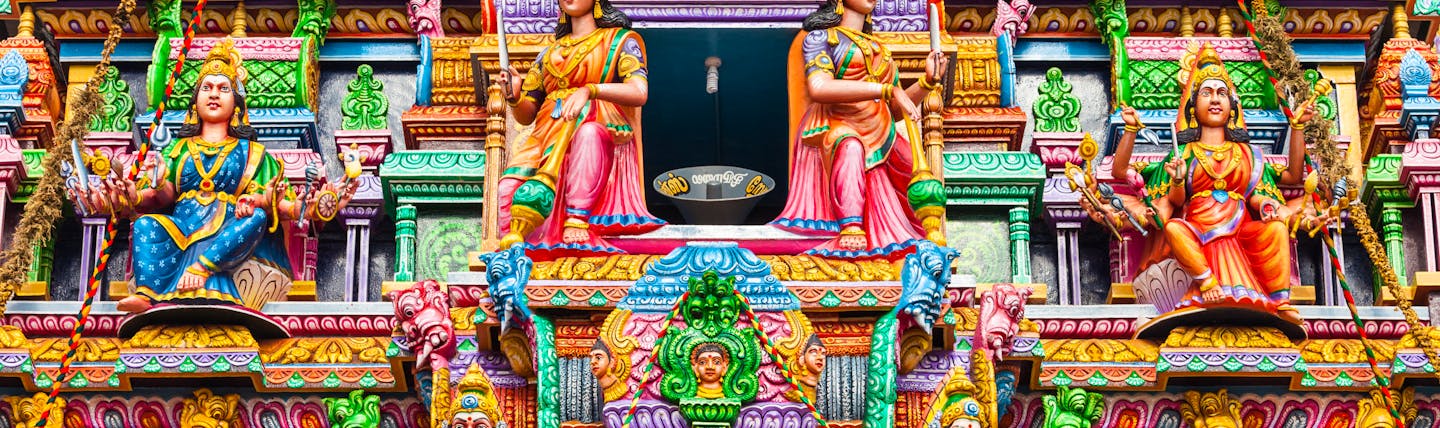
Of the many islands lying off the west coast of Jaffna, a number are worth singling out for their beauty and cultural treasures. Three of the major islands – Kayts, Karaitivu, where you’ll find Casuarina Beach, the finest on the peninsula, and Punkudutivu – are joined to the Jaffna peninsula by causeway, with the outlying islands accessible by boat. As the infrastructure in this part of the island develops, be prepared for a rather adventurous journey of discovery. Nainativu (Haarlem) is renowned as a pilgrimage destination largely due to its ancient Buddhist connections, the brilliant white Nagadeepa Purana Viharaya acting as the focal point for those seeking to pay respectful homage. The island also has a strong Hindu presence and its riotously colourful temple complex of Sri Naga Pooshani Amman Kovil is a sight to behold, the architectural detail simply breathtaking. Named after the Dutch town of the same name, Delft (Neduntivu) is an island of windswept beauty where remnants of Portuguese and Dutch influence remain, wild ponies roam and the architecture comprises huge chunks of coral sourced directly from the land. To the west of the island are the remains of a thousand-year-old ancient temple from the Chola dynasty, whilst the garrison fort attracts interest for its geological composition and history. Affectionately known as ‘Trinco’, Trincomalee is a deep-water port, described by Nelson as one of the finest in the world, and has been the target of many a colonial battle in its long history. The city itself is a melting pot of Tamil, Sinhalese and Muslim cultures and a few hours can easily be passed exploring the main sights including the thriving market, Fort Frederick, dating back to the 16th century, and Swarmi Rock, better known as Lover’s Leap following the legendary tale of a jilted lover throwing herself to a watery grave. Here you’ll find the revered Koneswaram Kovilis temple, a pilgrimage site for many who ward away evil spirits by smashing coconuts. Outside the city, you’ll find the legendary hot springs of Kanniya, known for their therapeutic properties and believed to have been created by the god, Vishnu, the ancient Velgam Vehera temple dating back to 2 A.D and the Thiriyai Vata-de-ge monument, carved with Bhyana Buddhas and Bodhisattva images. Whale watching for blue whale is also a popular east-coast attraction from May to October. Beaches of the east coast Acclaimed as the finest stretch of coastline on Sri Lanka’s eastern shores, Nilaveli Beach stretches 15km from Uppuveli, 5km from Trincomalee, all the way up to Nilaveli itself. Boasting white sands and crystal-clear waters, it naturally acts as a honeypot for sun worshippers far and wide. Pigeon Island National Park lies just 2km off the coast and is renowned as one of Sri Lanka’s best marine reserves and ecosystems (visits only possible between the months of May to October). Further south, unspoilt Passikudah Beach is protected from the ocean in its own tranquil bay and provides a picture-postcard image of heaven on earth, its shallow shoreline the perfect spot for a leisurely meander, its coral-rich waters popular for diving.

Climate of the north east region

Outside of the northeast monsoon season (December to March, but the wettest months being October to January) which accounts for more than 90% of the annual rainfall, the Northern and Eastern Provinces tend to offer a dry heat throughout the rest of the year ranging from 26° C to 33° C.

North and North East region travel information

Sri Lankan Airways operates daily flights to Colombo from London Heathrow. Most flights leave London in the afternoon or evening. Flight time is about 11 hours. From Colombo you can also take the Sri Lankan air taxi to regional centres throughout the country.

Travel around the region

We include private transfers with all our holidays to Sri Lanka, and a personal chauffer with all our touring holidays. Driving Distances: Colombo to Jaffna: 10 hours (363km) Colombo to Trincomalee: 8 hours (264km) Jaffna to Sigirya: 4 hours (262km) Trincomalee to Arugam Bay: 4 hours (250km) Trincomalee to Jaffna: 6 hours (238km) Trincomalee to Passikudah: 2 hours (115km) Trincomalee to Polonnaruwa: 1¾ hours (112km) Trincomalee to Sigiriya: 1.5-2 hours (103km).

Our bespoke, luxury hotel holidays can be

● Single centre or multi-centre
● Long or short stays
● Combine a number of different hotels in different regions
● Utilise a variety of transport arrangements to Sri Lanka and within Sri Lanka, combining flights, rail, and private transfers

Our special interest holidays to the north east re

● Cultural tours for individuals
● Cookery
● Visits to local festivals
● Private guided sightseeing
● Safari and wildlife experiences
● Scenic train travel
● Family holidays
● Eco experiences
● Ayurveda and other spa holidays
● Walking and cycling
● Bird-watching
● Garden visits

Included in all our holidays

● Concierge service
● Handcrafted helpful hints and local information provided with all our holidays
● Personal service by your sales consultant who looks after all aspects of your holiday
Call us on 01392 441245

Here you will find a map of North and North East showing the locations of the hotels that we offer

Our bespoke, luxury hotel holidays can be

● Single centre or multi-centre
● Long or short stays
● Combine a number of different hotels in different regions
● Utilise a variety of transport arrangements to Sri Lanka and within Sri Lanka, combining flights, rail, and private transfers

Our special interest holidays to the north east re

● Cultural tours for individuals
● Cookery
● Visits to local festivals
● Private guided sightseeing
● Safari and wildlife experiences
● Scenic train travel
● Family holidays
● Eco experiences
● Ayurveda and other spa holidays
● Walking and cycling
● Bird-watching
● Garden visits

Included in all our holidays

● Concierge service
● Handcrafted helpful hints and local information provided with all our holidays
● Personal service by your sales consultant who looks after all aspects of your holiday
Call us on 01392 441245