Luxury holidays to New Zealand: luxury hotel holidays, touring holidays and special interest holidays
Our luxury holidays to New Zealand are tailor-made and offer an outstanding choice of luxury hotel stays, touring holidays and special interest holidays, allowing you to explore the untapped variety and beauty of these southern hemisphere countries. Luxury holidays and tailor-made tours for individuals as well as authentic travel experiences are exactly what we at Expressions Holidays specialise in. We have over 35 years’ experience in offering luxury, bespoke and tailor-made holidays for individuals to selected destinations around the world.
New Zealand was added to our portfolio about twenty years ago and is a destination perfectly suited to our skill and expertise in constructing complex touring itineraries. New Zealand starts as an enigma; for many of us it is such a familiar name with obvious connections and associations that have been with us all our lives (the All Blacks, kiwis, the Maoris, sheep and dairy produce, more recently its wines and Lord of the Rings) and yet mostly it is completely unknown to us in reality. We do not really know its geography, its landscape, its climate, its people, its culture, its way of life. For these reasons, you approach it as a journey of a lifetime. Added to the landscape is the range of experiences on offer, mainly associated with outdoor life, from tramping to fishing, from rafting to skiing. You can learn about life on a sheep station, you can take a bush walk with a botanist, you can learn about wine-making, you can gain an understanding of volcanoes. You can swim with dolphins, you can see seals basking in the sun, you can watch sperm whales feed, you can marvel at penguins in their natural habitat.
Finally, there is the human contact. In New Zealand you will be exceptionally well looked after. Not only is some of the accommodation on offer the most luxurious in the world in terms of spaciousness, quality and comfort, the personal interaction that awaits you is disarming and warming. New Zealanders typify the country they have both nurtured and created. They are genuine, open, welcoming and keen for you to embrace their world. And so, the visitor here easily embraces this new world. Luxury holidays and tailor-made tours for individuals as well as authentic travel experiences in New Zealand are at the heart of what we provide at Expressions Holidays.
Our bespoke, luxury hotel holidays can be
● Single centre, multi-centre and tours● Long or short stays
● Combine a variety of different hotels in different regions
● Utilise a variety of transport arrangements including scheduled flights, helicopters, trains, hire-car and local car transfers
Included in all our holidays
● Concierge service● Handcrafted helpful hints and local information provided with all our holidays
● Personal service by your sales consultant who looks after all aspects of your holiday
● Full financial protection with our ATOL (3076) for all holidays including a flight and our ABTOT for all non-air holidays
Call us on 01392 441245
Luxury holidays to New Zealand: luxury hotel holidays, touring holidays and special interest holidays
Our accommodation
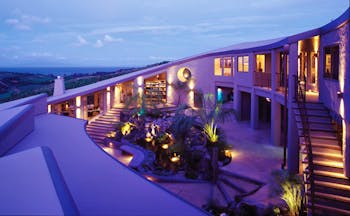
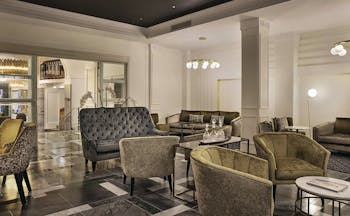
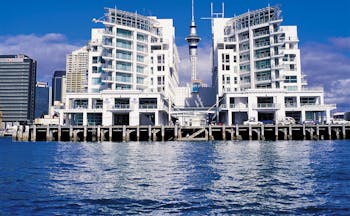
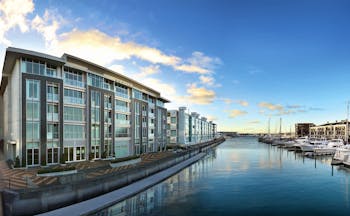
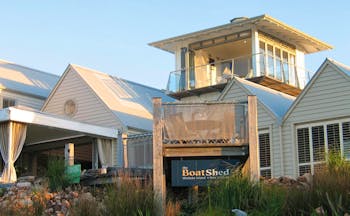
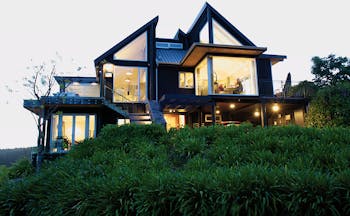
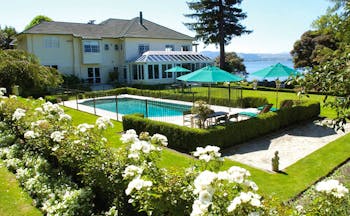
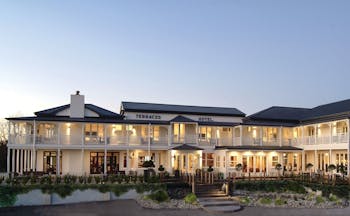
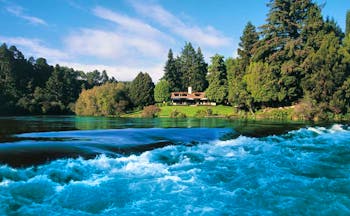
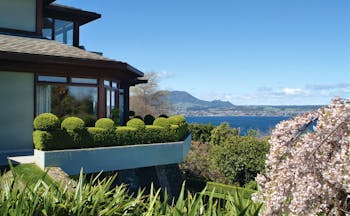
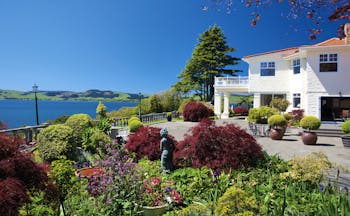
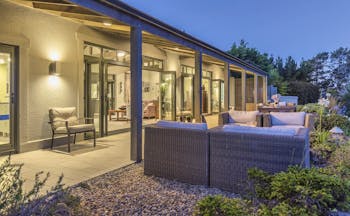
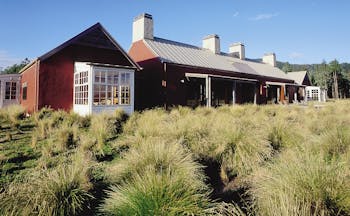
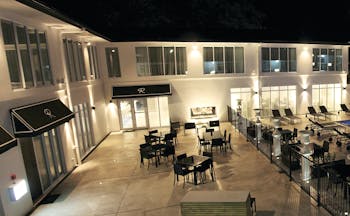
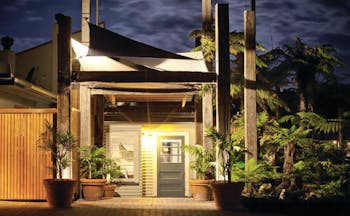
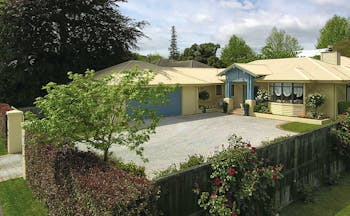
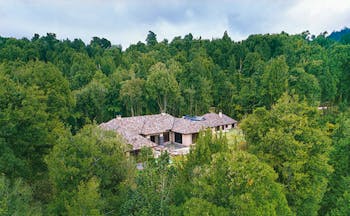
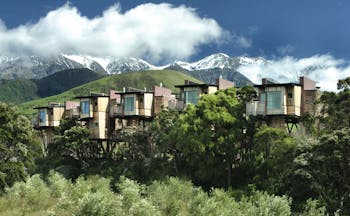
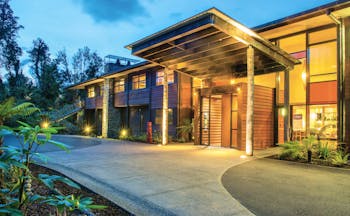
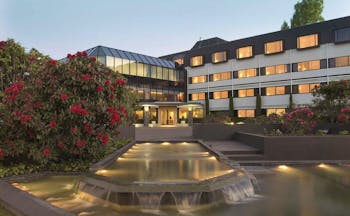
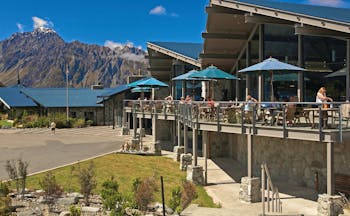
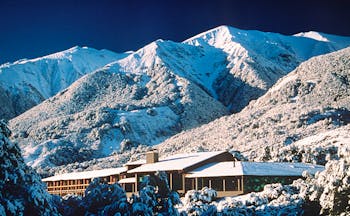
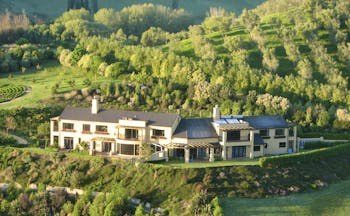
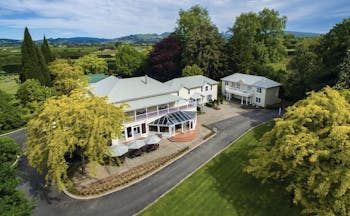
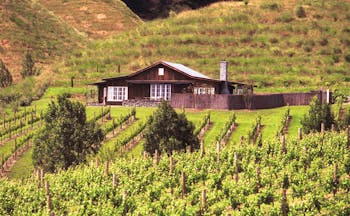
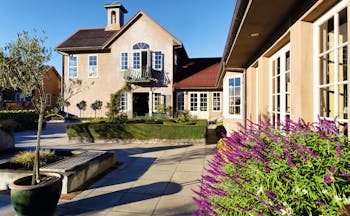
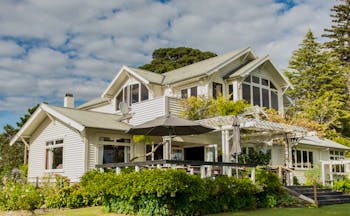
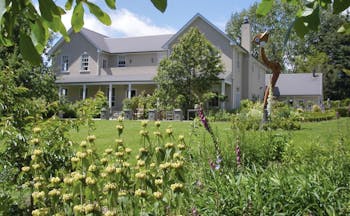
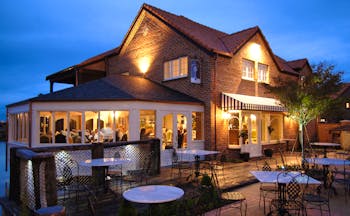
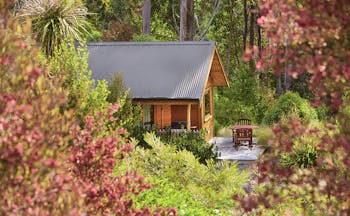
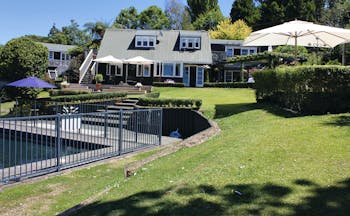
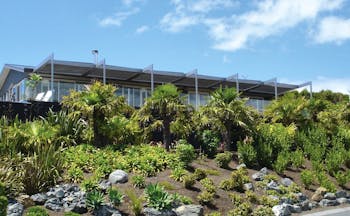
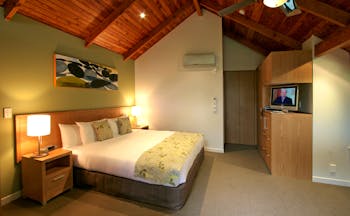
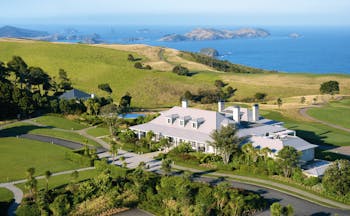
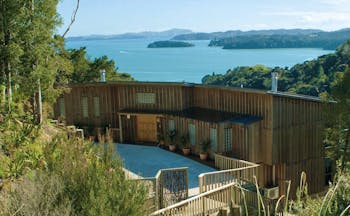
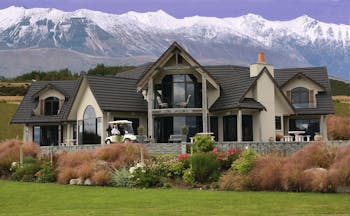
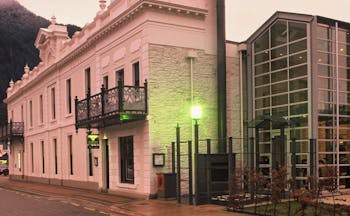
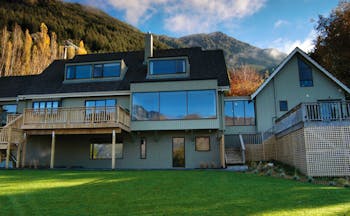
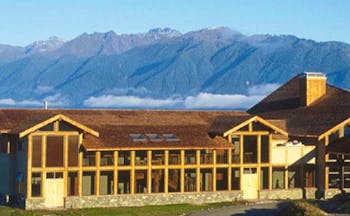
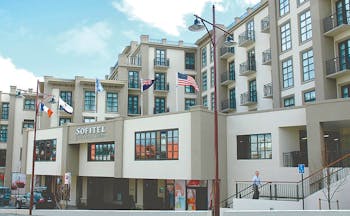
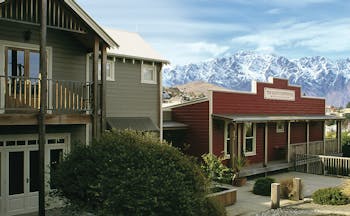
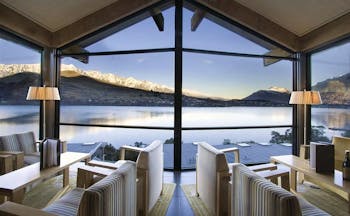
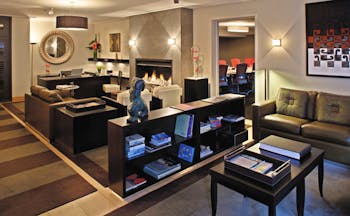
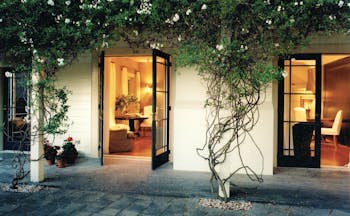
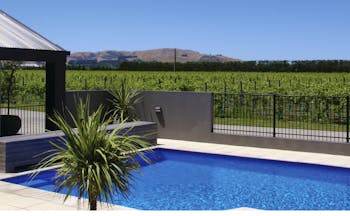
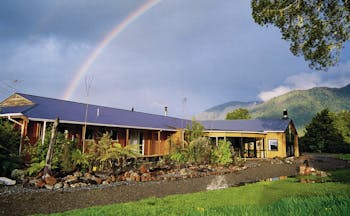
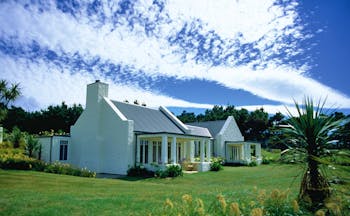
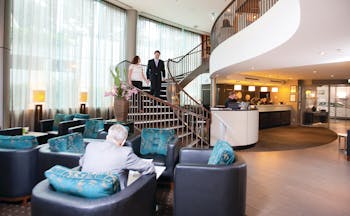
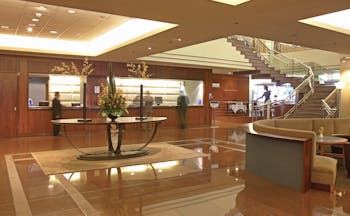
Our range of accommodation offered to you includes luxury lodges, houses, boutique hotels, coastal hotels, grand hotels and arty city hotels (personally selected by our team of experts) for luxury holidays, touring itineraries and tailor-made travel arrangements. Hotels are chosen to reflect the character of their location and surroundings.
Travel in New Zealand
A holiday to New Zealand, particularly for the first time, will involve a fair amount of travelling. Distances may not seem particularly great but due to the terrain and the speed limits, you should allow plenty of time if travelling over land or you fly. The quality of the road surfaces (other than when you leave the public road to go onto lodge or farmland) is very good. However, the speed limit is a strict 100 km h and hardly any of the roads are dual carriageways. In addition to this, you should allow for mountainous or at least hilly terrain in many regions. Driving will be part of the holiday if you are to explore in any depth. With our holidays we include a Hertz group J car (Ford Escape or equivalent four-wheel drive), although smaller and larger cars are available too. You may and probably should choose to fly internally between some regions. Obvious examples here are between Bay of Islands and Rotorua, Wellington and Nelson or Blenheim, Christchurch and Queenstown. The domestic air network with Air New Zealand is excellent and criss-crosses the country with numerous services. In addition to road and air, you may want to take the Inter-islander ferry service between the North and South Islands. These vessels travel between Wellington and Picton, with a travelling time of about 3 hours. There is also a scenic train service, the TranzAlpine, that traverses the South Island between Christchurch and Greymouth, travelling through the Southern Alps.
Travel to New Zealand
Unless asked not to, we will include a flight from the UK to the destination and other internal flights as necessary. We work with a wide range of airlines but usually most clients choose Air New Zealand or Cathay Pacific when flying to and from New Zealand. British Airways works if you are combining New Zealand with Australia and flying via Australia. The airline chosen will depend upon the route you want, and the number of stopovers and where they are. We can offer you all classes on board.
Local airlines
Air New Zealand offers numerous routes and services throughout New Zealand and is the obvious choice for travelling between the north and south island, or Queenstown and Christchurch or Rotorua and Kerikeri, for example.
Local transport
When you arrive in New Zealand we would include a private transfer from the airport to your first hotel. After that, the means of transport will vary according to your itinerary. Private transfers, car-hire, trains and flights can be arranged.
Our bespoke, luxury hotel holidays can be
● Single centre, multi-centre and tours● Long or short stays
● Combine a variety of different hotels in different regions
● Utilise a variety of transport arrangements including scheduled flights, helicopters, trains, hire-car and local car transfers
Included in all our holidays
● Concierge service● Handcrafted helpful hints and local information provided with all our holidays
● Personal service by your sales consultant who looks after all aspects of your holiday
● Full financial protection with our ATOL (3076) for all holidays including a flight and our ABTOT for all non-air holidays
Call us on 01392 441245
Luxury holidays to New Zealand: luxury hotel holidays, touring holidays and special interest holidays
Regions of New Zealand
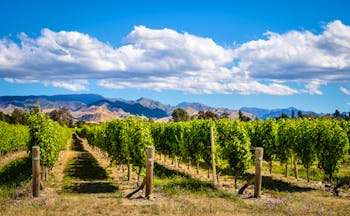
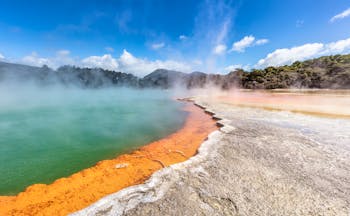
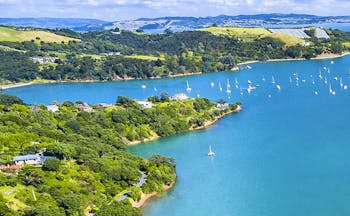
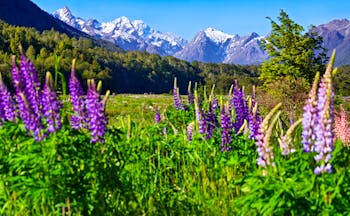
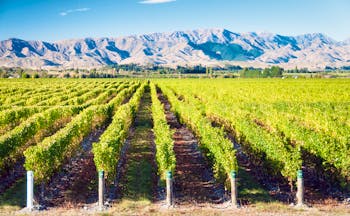
New Zealand’s two islands offer amazing contrasts in landscape and climate. The North Island ranges from the subtropical, almost winterless northern tip with its beautiful coastline and lush vegetation to the ski fields of Mount Ruapehu at nearly 3000 metres, from the graceful relaxation of Auckland to the Art Deco architecture of Napier, from the bubbling mud and spouting geysers of Rotorua at the heart of the island to the sun-drenched vines and orchards of Hawke’s Bay. The South Island offer the lush bush-fringed sandy coves and mild climate of the Abel Tasman National Park, the hidden inlets framed by native bush and calm seas for kayaking of the Marlborough Sounds, at Blenheim the flat lands full of vines beyond which rise parched-looking mountain ranges, verdant dense, rainforests of the west coast north of Fiordland and its mighty glacial valleys, lakes and inlets, snow-capped Mount Cook and the peaks of the southern Alps and then acres of fertile, flat, farmland on the east coast in Canterbury.
Capital
Wellington
Airports
Auckland and Christchurch for international flights
Currency
New Zealand dollar
Size
1600 kms long and 400 kms wide (max)
Population
4.8 million
Average temperature
New Zealand enjoys a maritime climate, which explains partly the lush vegetation and the rich pastures, but also makes it very changeable. It is subject to prevailing winds from west to east although most rain falls in winter (June to August) and the summer months (December to March) are generally drier. The southern and western parts of the country are wetter than the northern and the eastern parts. On top of this longitude and altitude plays a role, with the northern part of the North Island enjoying an almost ‘winter-free’ year and being subtropical.
Unmissable holiday experiences in New Zealand
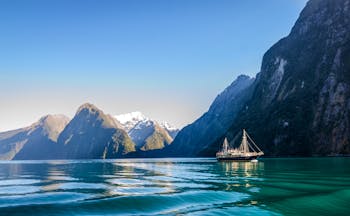
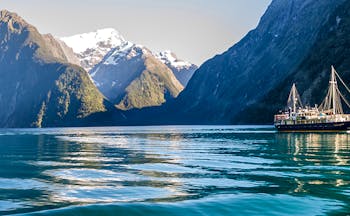
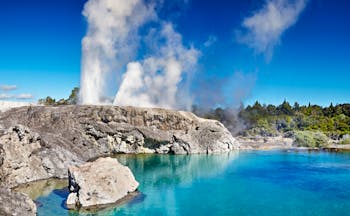
Waitemata Harbour ferry to Devonport, drive from Whangaroa to Matauri Bay, Waitangi National Reserve, Polynesian Spa in Rotorua, Pohutu geyser, Hobbiton, art deco Napier, orchard tour at Pernel fruitworld near Hastings, wine-tasting at Cloudy Bay, Cape Palliser seal colony, trek in Abel Tasman, kayak in the Marlborough Sounds, whale-watch at Kaikoura, glacier walks at Franz Josef, helicopter trip to Milford Sound, watch the bungy-jumping at Hackett’s Ledge Queenstown.