Our bespoke, luxury hotel holidays can be
● Single centre or multi-centre● Long or short stays
● Combine a number of different hotels in different regions
● Utilise a variety of transport arrangements to the Caribbean and within the Caribbean, combining flights and private transfers
Our special interest holidays to St Martin
● Watersports holidays● Spa holidays
● Honeymoons and weddings
● Family holidays
Included in all our holidays
● Concierge service● Handcrafted helpful hints and local information provided with all our holidays
● Personal service by your sales consultant who looks after all aspects of your holiday
Call us on 01392 441245
Highlights of St Martin
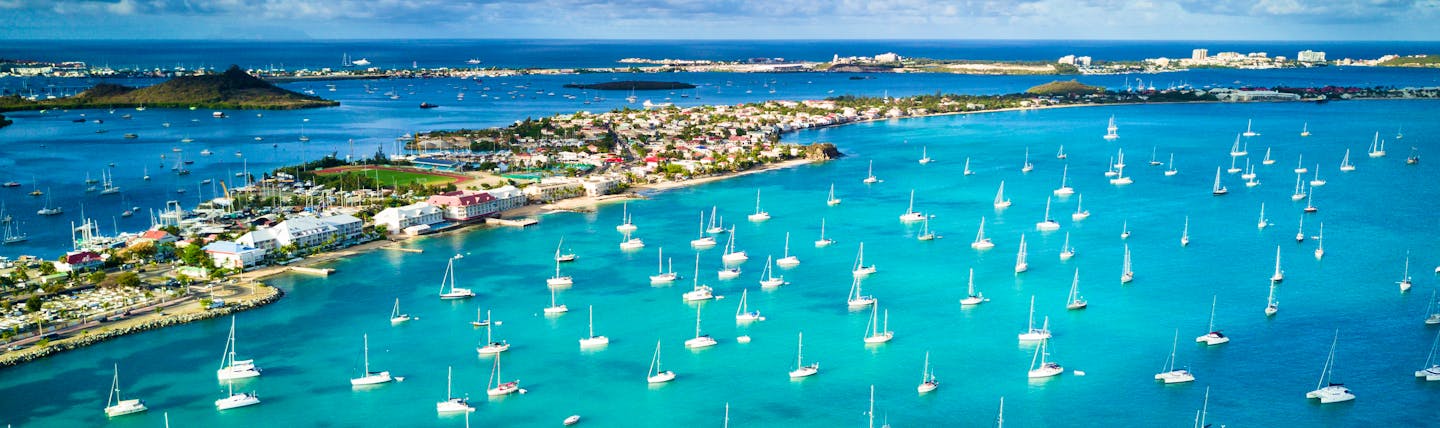
Gourmet restaurants on the French-side, particularly in Grand Case and Marigot Bay; Creole cuisine in beach shacks and local cafes; zouk music, a kind of Creole music unique to the French Caribbean; Carnival at the beginning of Lent (taking place over Easter on the Dutch side); 40-plus beaches; fantastic beach bars, particularly on Friar’s Bay, with great full-moon parties; local speciality of sticky ribs and a beachside lolo shack; catamaran trips to smaller satellite islands such as Ilet Pinel, Tintamarre or Prickly Pear all the way out near Anguilla; Sunset Beach Bar on Maho beach at the end of the airport runway, not for the faint-hearted (bikini contests a regular feature), but a real St Maarten’s institution; the Oyster Pond, a quiet half-French, half-Dutch harbour in the east of the island; historic towns of Philipsburg (Dutch side capital) and Margiot (French side); diving Wreck Alley, including a 200-year old British frigate.
Travel around St Martin
Although the island is divided into two separate land claims, there are no official borders, so you can travel to both parts quite freely. Buses are by far the cheapest method of transportation, but with no set schedules, it’s a bit hit and miss. Few official bus stops, so you need to flag them down. Taxis are good for short distances, hire cars better if you want to explore the island further. You can also take trips by boat and plane from St Martin to the nearby islands of Anguilla, St Barts, Saba and Statia.
St Martin travel information
Access to St Martins is via Paris with Air France, with a flight time of about 9 hours. St Martins can also be reached via Antigua, flying on with LIAT (about 35 minutes). Flying time London to Antigua is approximately 8 hours. British Airways and Virgin have direct flights to Antigua. BMI flies from Manchester.Our bespoke, luxury hotel holidays can be
● Single centre or multi-centre● Long or short stays
● Combine a number of different hotels in different regions
● Utilise a variety of transport arrangements to the Caribbean and within the Caribbean, combining flights and private transfers
Our special interest holidays to St Martin
● Watersports holidays● Spa holidays
● Honeymoons and weddings
● Family holidays
Included in all our holidays
● Concierge service● Handcrafted helpful hints and local information provided with all our holidays
● Personal service by your sales consultant who looks after all aspects of your holiday
Call us on 01392 441245
Our bespoke, luxury hotel holidays can be
● Single centre or multi-centre● Long or short stays
● Combine a number of different hotels in different regions
● Utilise a variety of transport arrangements to the Caribbean and within the Caribbean, combining flights and private transfers
Our special interest holidays to St Martin
● Watersports holidays● Spa holidays
● Honeymoons and weddings
● Family holidays
Included in all our holidays
● Concierge service● Handcrafted helpful hints and local information provided with all our holidays
● Personal service by your sales consultant who looks after all aspects of your holiday