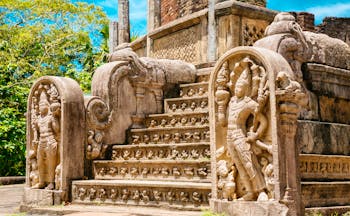
The heritage of Sri Lanka falls into two distinct aspects; the ancient civilisation dating back to hundreds of years BC and then the colonial heritage which has a more recent history, from the 10th to the 20th Centuries.
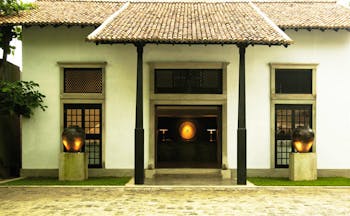
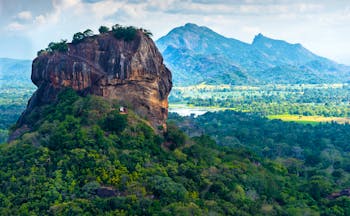
The Cultural Triangle area in central Sri Lanka is home to three ancient cities which were all the country’s capital at different times between 377BC and the 1400s – Sigiriya, Anuradhapura and Polonnaruwa. Having also played an important role in the history of Buddhism on the island, whether you stay in the Cultural Triangle for a day or a week, the rewards are immense. Colombo and Galle became important ports, trading with Arab and Chinese traders. The Portuguese colonised Sri Lanka in the 1500s, before the Dutch East India Company took over in the 1650s. The British were then in control from the early 1800s until Sri Lanka obtained independence in 1948. Influences from these colonisers can still be found throughout the island, such as the Portuguese traditions of lace-making, the coastal fortified towns built by the Dutch and the British-style bungalows and landscaped gardens found in Tea Country. For a taste of colonial times stay at Amangalla in Galle, Jetwing St Andrews in Nuwara Eliya, Mahaweli Reach in Kandy or Regency at the Galle Face in Colombo. Enjoy a touring holiday discovering the Colonial Heritage of Sri Lanka. Experiencing the fascinating cultural aspects of Sri Lanka provides one of the most rewarding reasons to visit this country. From arts, crafts, architecture through music, dance, food and drink to sport, Sri Lanka’s culture is distinctive and inviting.
Expressions Holidays offers you single-centre, luxury hotel holidays staying in regions of Sri Lanka where you can experience any number of heritage and cultural dimensions and traditions of the country. Better still, take one of our tailor-made touring holidays of Sri Lanka and explore the key heritage and cultural sites on our Highlights of Sri Lanka tour or the longer Best of Sri Lanka tour.
Religion in Sri Lanka
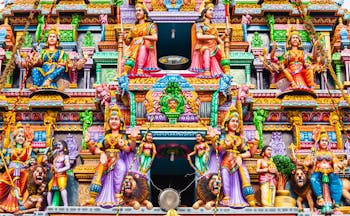
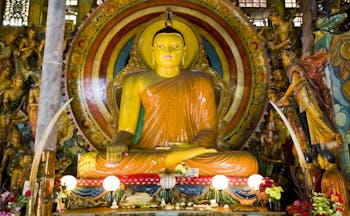
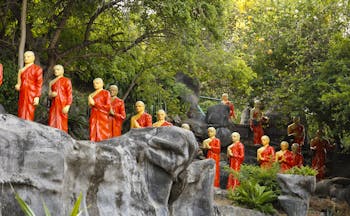
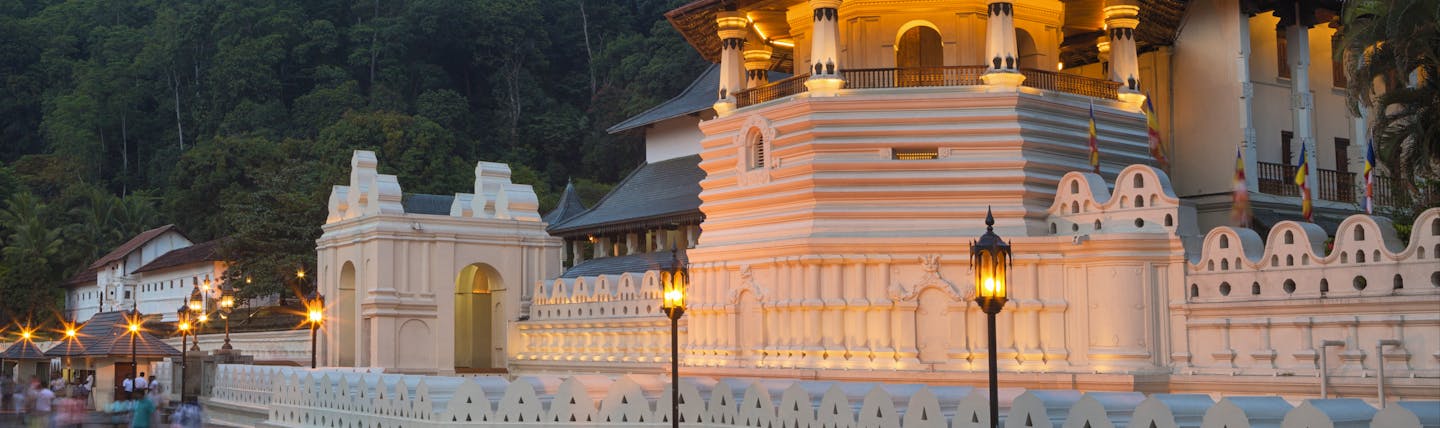
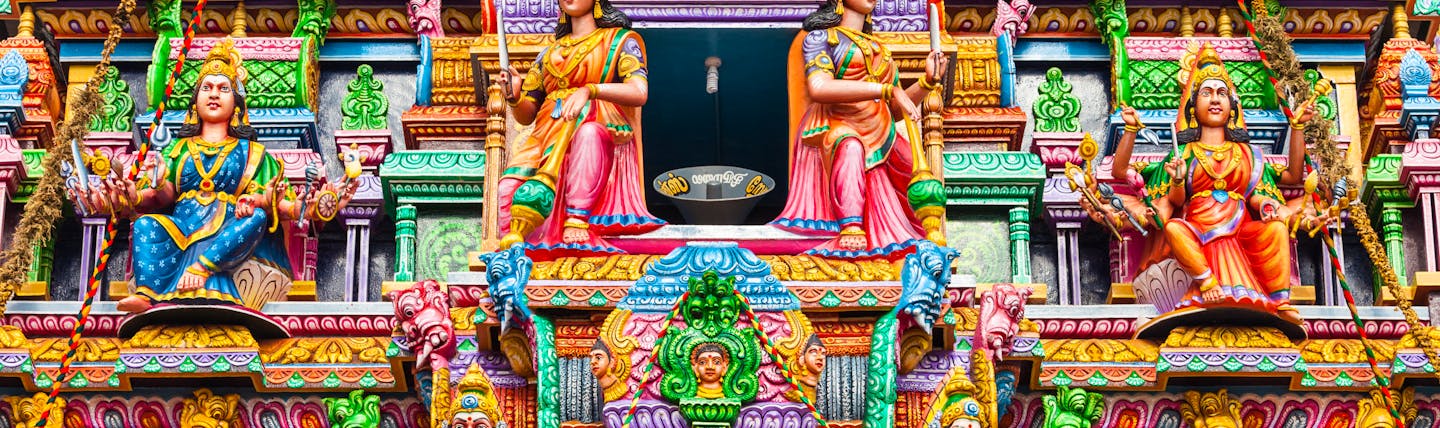
Sri Lanka is filled with Buddhist temples, brightly painted Hindu Kovils, mosques and churches which all add to the spiritual vibrancy of Sri Lankan life. Buddhism is the major religion in Sri Lanka, with important Buddhist sanctuaries including Adam’s Peak (at the top of Sri Pada Mountain) in Hill Country, the Temple of the Tooth (home to one of Lord Buddha’s teeth) in Kandy, and Anuradhapura, Mihintale and Dambulla Cave Temples in the Cultural Triangle.
Architecture in Sri Lanka
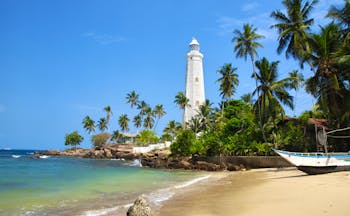
Geoffrey Bawa is Sri Lanka’s most prolific and influential architect, having designed many buildings which blend with their national environment and interconnect outside spaces with the inside. We offer a tour of Geoffrey Bawa’s work which includes visits to hotels designed by Bawa including Heritance Kandalama, Jetwing Lighthouse, Club Villa and Heritance Ahungalla.
Arts and Crafts in Sri Lanka
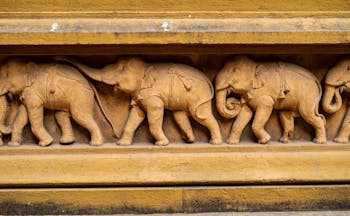
Among the most historic forms of Sri Lankan art are the rock paintings found at Sigiriya Rock Fortress and Dambulla Cave Temples, both in the Cultural Triangle, and at the Temple of the Tooth in Kandy. Villages and town boast their own skilled artisans who create and sell jewellery, lace, paintings and masks.
Music and Dance in Sri Lanka
Sri Lankan music has been influenced by Buddhism, colonisation and Indian culture, incorporating instruments brought by the Portuguese. A highlight of the Kandy Esala Perahera Festival (July/August) are Kandyan dancers who incorporate elements of Hinduism and Buddhism in their dance, performing wearing elaborate costumes.
Culinary delights in Sri Lanka
Sri Lankan rice and curry features on every menu, always delicately flavoured with spices such as saffron, chillies, cinnamon and cloves. As Sri Lanka has a vast coastline, fish plays a major part in Sri Lankan cuisine, whilst multi-cultural influences bring an array of mouth-watering dishes. Find out more about Sri Lankan cuisine.
Ceylon Tea
Tea was first planted in Sri Lanka in 1824 at the Botanical Gardens at Peradeniya (near Kandy), going on to become a vital money-earner for Sri Lanka today as the country produces over 260 million kilos of tea annually. Discover more about the history of tea by visiting Tea Country – immerse yourself in the tea experience by staying at Ceylon Tea Trails or Jetwing Warwick Gardens.
Our Sri Lanka heritage and cultural holidays include
● Travel arrangements with flights and appropriate transfers● Flexible durations and multi-centre stays
● Tailor-made tours accompanied by driver-guide
● Accommodation in personally-selected 4-or 5-star hotels
● Cultural and heritage visits and entrances included
Included in all our holidays
● Concierge service● Handcrafted helpful hints and local information provided with all our holidays
● Personal service by your sales consultant who looks after all aspects of your holiday
● Full financial protection with our ATOL (3076) for all holidays including a flight and our ABTOT for all non-air holidays