Our bespoke, luxury hotel holidays can be
● Single centre or multi-centre● Long or short stays
● Combine a number of different hotels in different regions
● Utilise a variety of transport arrangements to France and within France, combining flights, hire-car, rail, ferries and private transfers
Our special interest holidays to Pas-de-Calais
● Wine and food holidays● Cultural tours for individuals
● Golf holidays
● Battlefield tours
Included in all our holidays
● Concierge service● Handcrafted helpful hints and local information provided with all our holidays
● Personal service by your sales consultant who looks after all aspects of your holiday
Call us on 01392 441245
Highlights of Pas-de-Calais
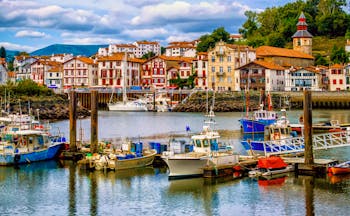
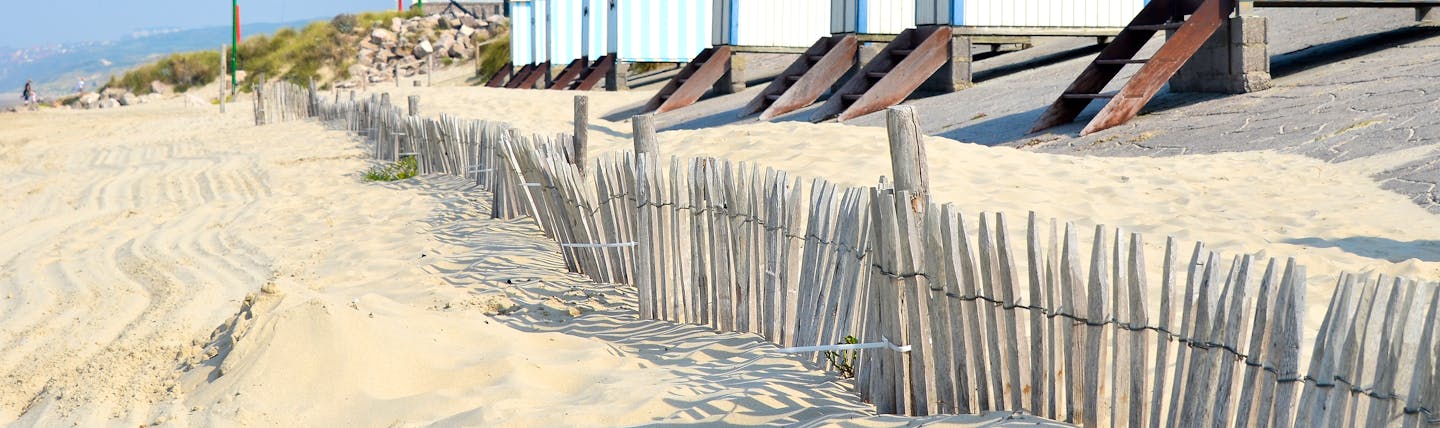
Seaside towns with fabulous seafood restaurants; Anglo-Norman and Art Deco architecture in the super chic Le Touquit; the castle museum, basilica and belfry of Boulogne-sur-Mer; a stroll along the promenade at elegant Wimereux; St-Omer’s narrow, winding streets, fortified upper old town and 13th century Notre Dame cathedral; the Flemish- baroque Heros and Grande Place squares of Arras, surrounded with cafes selling local gingerbreads, and galleries selling local artwork; the citadel and ramparts of Montreuil-sur-mer; locally brewed beer and cider; visit the crystal glass factory at Arque; Opal Capes and Marshes natural reserve, crisscrossed by waymarked trails; the 500ft sheer chalk cliffs at Cape Blanc-Nez, with footpath running above it.
Pas-de-Calais travel information
Pas-de-Calais is reached very easily from the UK by air. Some clients choose to take their own car all the way.Self-drive
If you really want to get off the beaten track, by far the best option is your own car. Pas-de-Calais is very easily accessible, with short sailings from Dover to Calais by ferry with P&O Stena in 75 minutes, Eurotunnel crossing Folkestone to Calais in about 35 minutes, by hovercraft in 40 minutes and Seacat Folkestone to Boulogne in about 50 minutes.Rail travel
With the most extensive rail network in Western Europe, France is a great country to explore by train. The nationally owned SNCF (Societe Nationale des Chemins de Fer) runs fast, efficient services between the main towns. Buses cover the rural areas, but services can be rather sporadic, with departures often at awkward times.Our bespoke, luxury hotel holidays can be
● Single centre or multi-centre● Long or short stays
● Combine a number of different hotels in different regions
● Utilise a variety of transport arrangements to France and within France, combining flights, hire-car, rail, ferries and private transfers
Our special interest holidays to Pas-de-Calais
● Wine and food holidays● Cultural tours for individuals
● Golf holidays
● Battlefield tours
Included in all our holidays
● Concierge service● Handcrafted helpful hints and local information provided with all our holidays
● Personal service by your sales consultant who looks after all aspects of your holiday
Call us on 01392 441245
Our bespoke, luxury hotel holidays can be
● Single centre or multi-centre● Long or short stays
● Combine a number of different hotels in different regions
● Utilise a variety of transport arrangements to France and within France, combining flights, hire-car, rail, ferries and private transfers
Our special interest holidays to Pas-de-Calais
● Wine and food holidays● Cultural tours for individuals
● Golf holidays
● Battlefield tours
Included in all our holidays
● Concierge service● Handcrafted helpful hints and local information provided with all our holidays
● Personal service by your sales consultant who looks after all aspects of your holiday