Our bespoke, luxury hotel holidays can be
● Single centre or multi-centre● Long or short stays
● Combine a number of different hotels in different regions
● Utilise a variety of transport arrangements to France and within France, combining flights, hire-car, rail, ferries and private transfers
Our special interest holidays to Dordogne
● Wine and food holidays● Cultural tours for individuals
● Cycling and walking holidays
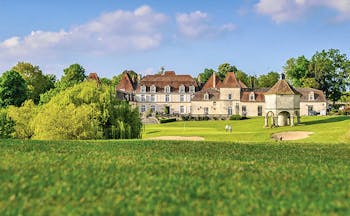
● Golf holidays
● Family holidays
Included in all our holidays
● Concierge service● Handcrafted helpful hints and local information provided with all our holidays
● Personal service by your sales consultant who looks after all aspects of your holiday
Call us on 01392 441245
Highlights of Dordogne
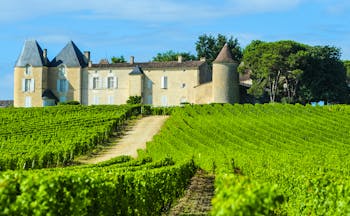
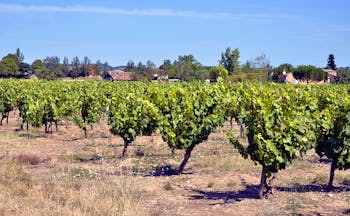
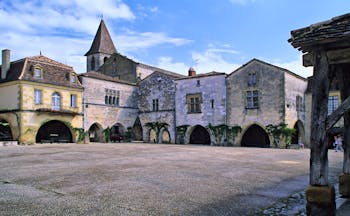
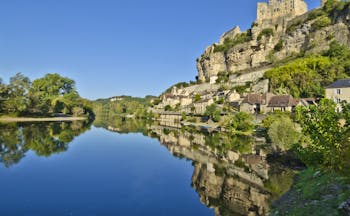
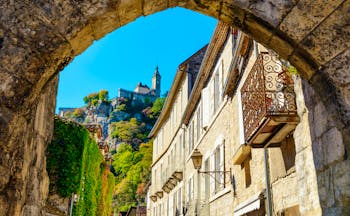
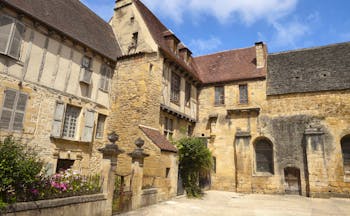
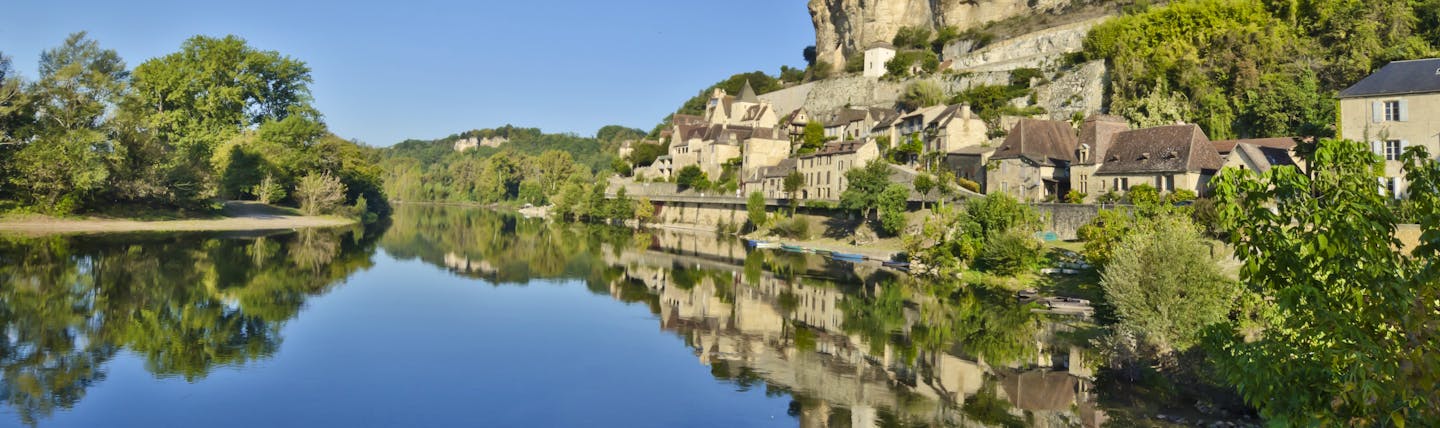
Cultural highlights include ceramics, wine festivals, foie gras and truffles, wild mushrooms, castles, valleys, water-sports, and local walks.
Climate of Dordogne
Average air temperatures in Centigrade: Jan: 10.0, Feb: 9.4, Mar: 12.2, Apr: 19.5, May: 18.0, Jun: 23.7, Jul: 27.2, Aug: 25.7, Sep: 24.2, Oct: 19.7, Nov: 15.4, Dec: 11.0.
Source: Direction de la Meteorologique de France.
Dordogne travel information
Dordogne is reached very easily from the UK by air and rail. We can arrange for you to travel by train with overnight stops. Some clients choose to take their own car all the way.By air
Airport at Bordeaux or Toulouse and then about three to three and a half hours' drive to the hotels. The flight times are convenient with frequent options.Rail travel
Take Eurostar to Lille or Paris and then TGV to Angouleme or Bordeaux then collect a hire-car.Self-drive
We recommend a short sea crossing Dover to Calais and then one overnight stop each way perhaps in the Loire Valley or perhaps two each way, one in Normandy or Champagne and one in the Loire in each direction. Another option is to travel from Portsmouth to Cherbourg, Le Havre or Caen, either daytime or overnight and to spend one or two nights en route. Motorail from Calais to Brive from April until October, Calais to Bordeaux from June until August.Our bespoke, luxury hotel holidays can be
● Single centre or multi-centre● Long or short stays
● Combine a number of different hotels in different regions
● Utilise a variety of transport arrangements to France and within France, combining flights, hire-car, rail, ferries and private transfers
Our special interest holidays to Dordogne
● Wine and food holidays● Cultural tours for individuals
● Cycling and walking holidays
● Golf holidays
● Family holidays
Included in all our holidays
● Concierge service● Handcrafted helpful hints and local information provided with all our holidays
● Personal service by your sales consultant who looks after all aspects of your holiday
Call us on 01392 441245
Our bespoke, luxury hotel holidays can be
● Single centre or multi-centre● Long or short stays
● Combine a number of different hotels in different regions
● Utilise a variety of transport arrangements to France and within France, combining flights, hire-car, rail, ferries and private transfers
Our special interest holidays to Dordogne
● Wine and food holidays● Cultural tours for individuals
● Cycling and walking holidays
● Golf holidays
● Family holidays
Included in all our holidays
● Concierge service● Handcrafted helpful hints and local information provided with all our holidays
● Personal service by your sales consultant who looks after all aspects of your holiday