Luxury holidays to the Caribbean: luxury hotel holidays and special interest holidays
From the better-known and much-loved islands such as Barbados, Jamaica, Antigua and St Lucia to the less well-known such as Nevis, Anguilla and Grenada plus the French-speaking islands of Guadeloupe and St Martin, Caribbean Expressions offers you a choice of islands of amazingly varied scenery and charm.
A Caribbean Expressions holiday is tailor-made according to your exact requirements. The basis of our truly bespoke holidays lies in the wide range and diversity of islands and hotel accommodation that we have selected to offer you. Reflecting the charm and character of the Caribbean islands, our hotels provide the very best quality of accommodation, service and facilities in the Caribbean. There is a choice to suit a range of budgets as well as special interests, from honeymooners to families, from sailing enthusiasts to spa treatment devotees.
Multi-island combinations are our speciality. This is what we really enjoy and where our knowledge of the Caribbean and our skill as a tour operator come to the fore. Remember that we know the islands and have done a variety of island-hopping combinations ourselves. Popular combinations might be Grenada, Barbados and St Lucia or Barbados, the Grenadines and Grenada or Antigua, Anguilla and Nevis. Just let us your plans and we will execute them for you.
Our bespoke, luxury hotel holidays can be
● Single centre or multi-centre● Long or short stays
● Combine a variety of different hotels in different regions
● Utilise a variety of transport arrangements including scheduled flights, private shared charter flights and local transfers
Included in all our holidays
● Concierge service● Handcrafted helpful hints and local information provided with all our holidays
● Personal service by your sales consultant who looks after all aspects of your holiday
● Full financial protection with our ATOL (3076) for all holidays including a flight and our ABTOT for all non-air holidays
Call us on 01392 441245
Luxury holidays to the Caribbean: luxury hotel holidays and special interest holidays
Our hotels
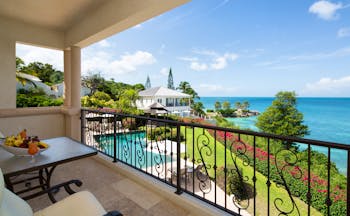
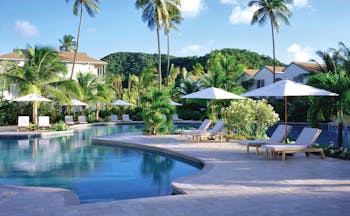
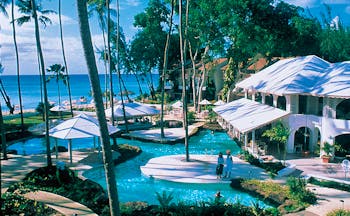
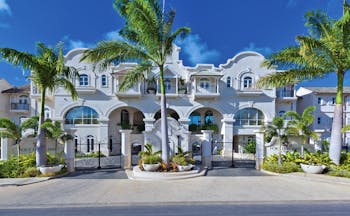
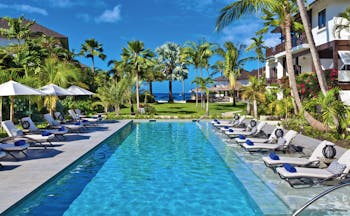
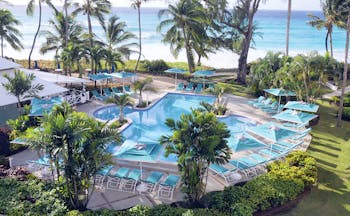
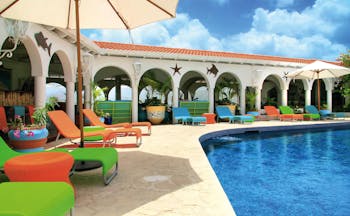
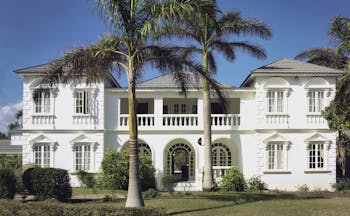
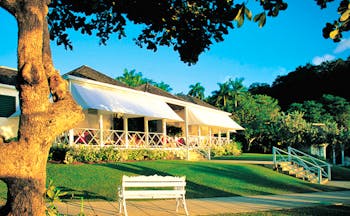
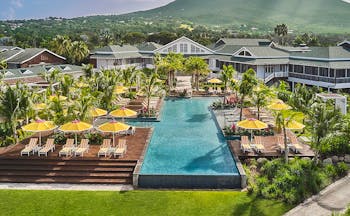
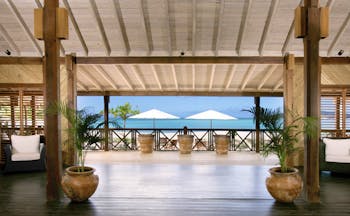
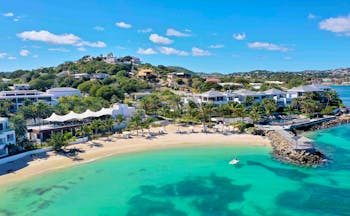
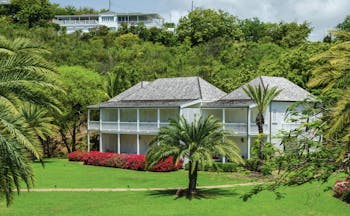
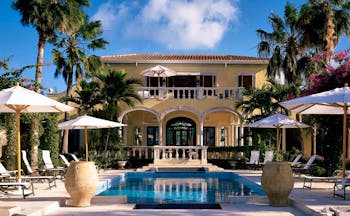
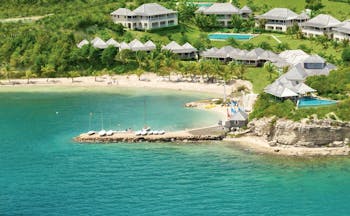
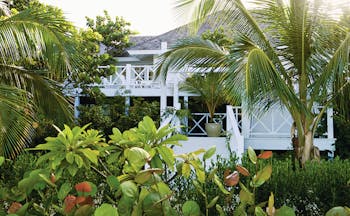
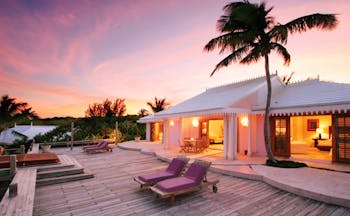
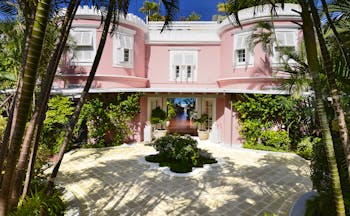
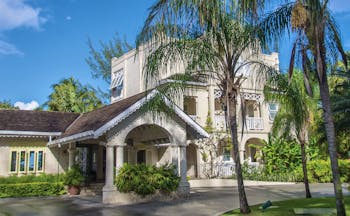
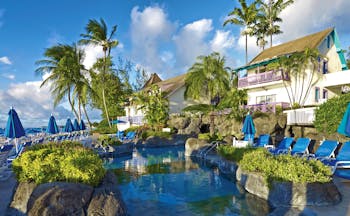
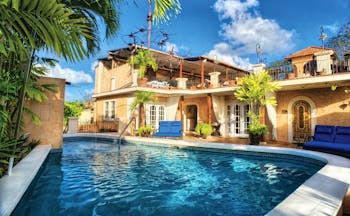
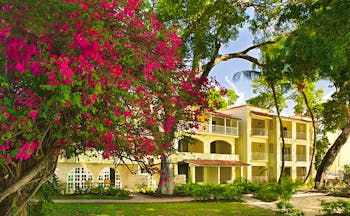
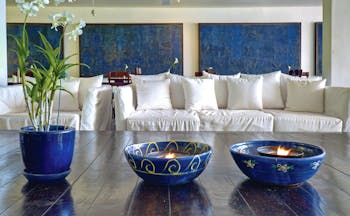
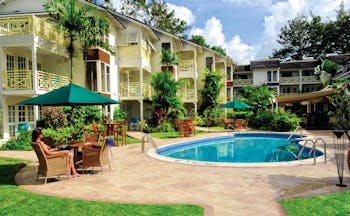
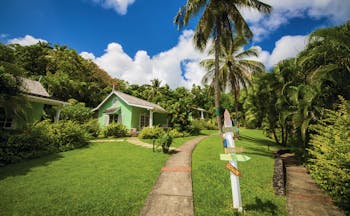
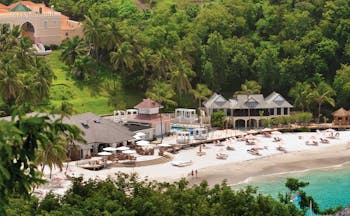
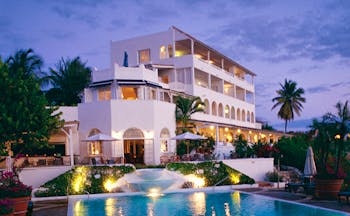
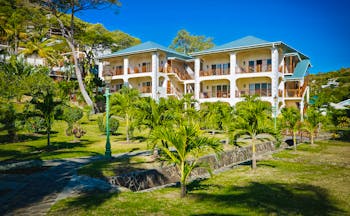
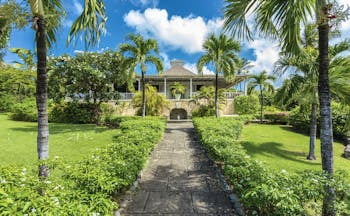
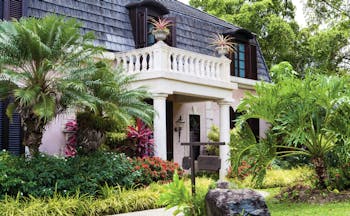
Our hotels are the very best on each island in the Caribbean. They have been chosen by us because they have something of intrinsic value for our clients. Our hotels include sophisticated Carlisle Bay on Antigua, genteel Coral Reef Club on Barbados, fragrant Round Hill on Jamaica and the luxury boutique Calabash on Grenada. Each description on our website is a personal description which conveys the character of each one whilst providing indispensable facts.
Choice of board basis
We offer you a range of meal choices from room only, where you pay extra either to us in advance or direct to the hotel for the meals you eat, to all-inclusive, where all meals and drinks by the glass are included. Some hotels opt for one or other arrangement, others offer you a choice. On Barbados many of the hotels offer a dine around option if you book half-board for your entire stay, which allows you to exchange your dinner at the hotel for a dinner at a local restaurant. Families often find the full board or all-inclusive arrangement excellent value for money, whilst people who want to dine out and about more might find a room only or a bed and breakfast arrangement more to their liking.
Travel
We have worked with British Airways for many years and include their scheduled flights in our basic holiday prices. Virgin Atlantic is also offered on applicable routes.
Premium cabins
We offer you advantageous prices for flying in the premium cabins with all our airlines. With British Airways there is a choice of Club on all routes, FIRST on Barbados and sometimes on St Lucia and World Traveller Plus is available on Barbados, St Lucia, Grenada, Tobago, and Nassau. Virgin Atlantic offer Upper Class and Premium Economy on all their routes to the Caribbean. The best possible supplement for these services can be provided by calling us.
Private charters
For many people, a private charter is the best way to island hop in the Caribbean. In a region of small islands, private aircraft are plentiful and have become the way to travel around. For certain destinations, we include private charters automatically in the holiday price, but on a shared basis, meaning that you may travel on the aircraft with the maximum number the plane holds, usually up to 5 or 8 passengers. However, if you want the privacy of your own plane, then Caribbean Expressions will arrange this for you in advance. The most frequently used routes for private charters are between Barbados and Mustique or between Antigua and Anguilla, Nevis and St Barts. Private charters are possible between most Caribbean islands - just ask us for a price.
Transfers
Caribbean Expressions has arranged for you to have private car transfers arranged by us or by the hotel. If the hotel makes the arrangements it is possible that you will share the car, which on many islands is a mini-bus or space wagon type vehicle seating up to 7 passengers, with other hotel guests arriving on the same flight. Sometimes these vehicles are air-conditioned.
Our bespoke, luxury hotel holidays can be
● Single centre or multi-centre● Long or short stays
● Combine a variety of different hotels in different regions
● Utilise a variety of transport arrangements including scheduled flights, private shared charter flights and local transfers
Included in all our holidays
● Concierge service● Handcrafted helpful hints and local information provided with all our holidays
● Personal service by your sales consultant who looks after all aspects of your holiday
● Full financial protection with our ATOL (3076) for all holidays including a flight and our ABTOT for all non-air holidays
Call us on 01392 441245
Luxury holidays to the Caribbean: luxury hotel holidays and special interest holidays
Islands of the Caribbean
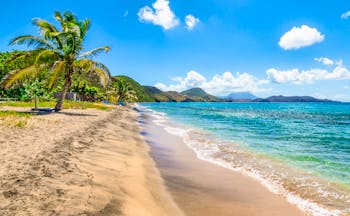
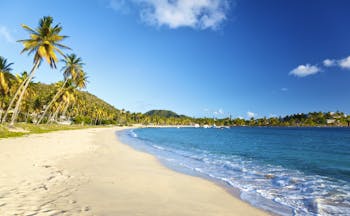
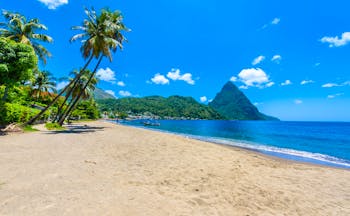
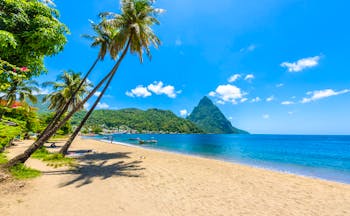
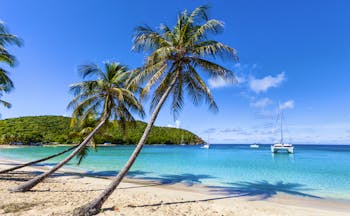
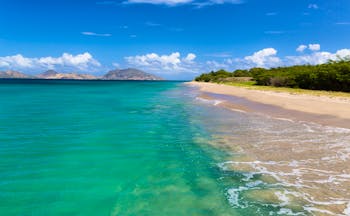
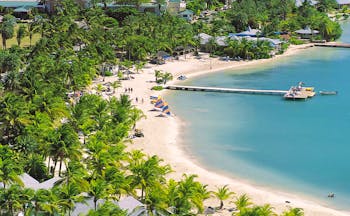
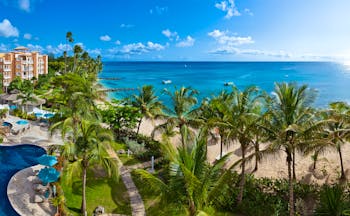
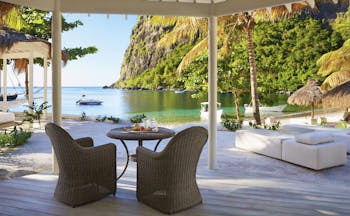
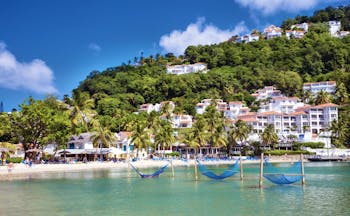
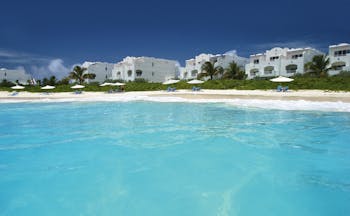
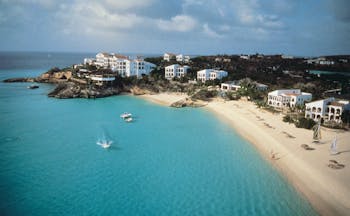
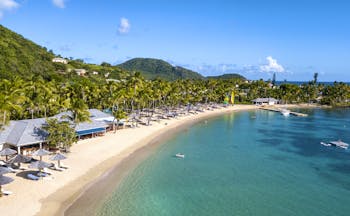
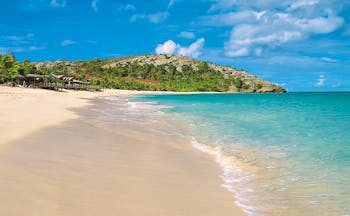
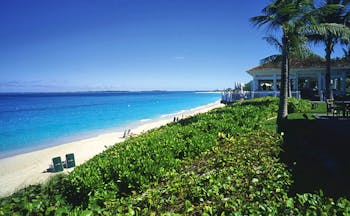
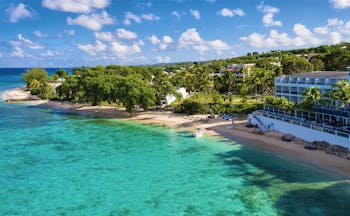
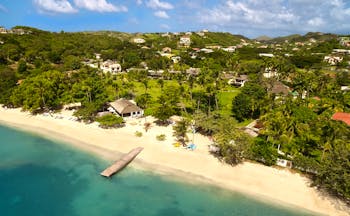
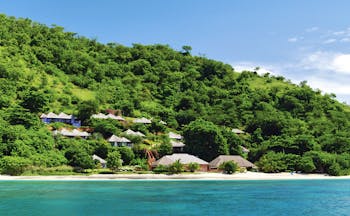
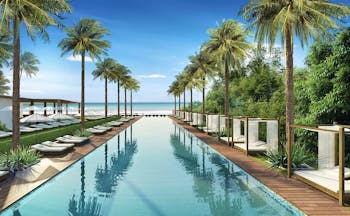
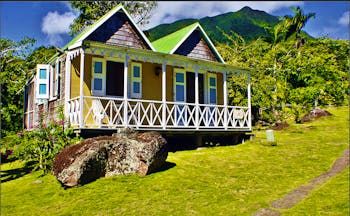
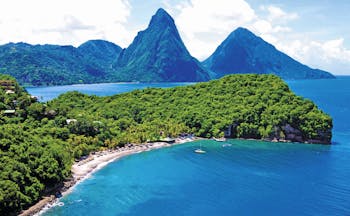
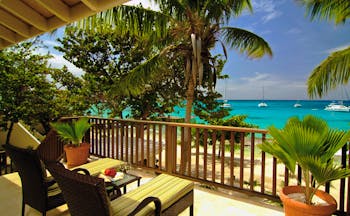
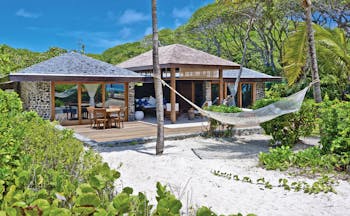
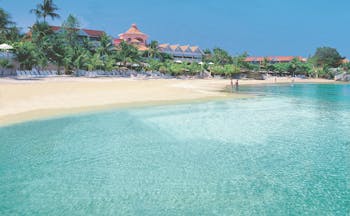
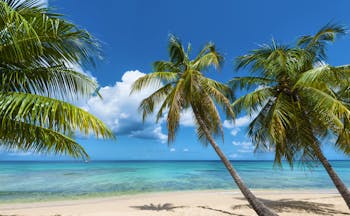
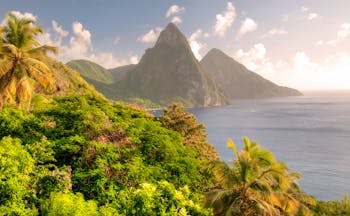
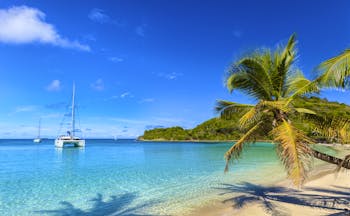
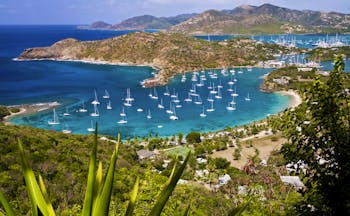
Think of the Caribbean, and you can’t help but picture palm-fringed beaches and gin-clear seas, rum punch cocktails and steel drum bands. The Caribbean is the perfect destination for a luxury holiday, offering sunshine, culture, activities and wonderful hotels. From Antigua to Grenada, the Caribbean is studded with some of the most indulgent and exclusive private-island hotels and beach resorts on earth. For most visitors, that’s more than enough: getting away from the beach means going out for a snorkel or hopping out on a windsurfer. Who can blame them? Sifted by the steady, gentle Tradewinds, with excellent coral reefs and an abundance of marine life, the Caribbean is a water sports Promised Land. However, dig a little deeper, and the Caribbean is a fascinating, diverse holiday destination, suffused in history, with each island boasting its own unique character and personality. From the forts of Jamaica and churches of Barbados to the sizzling carnivals of St Lucia, the Caribbean resounds with echoes of its colonial past, with an architecture and attitude to match. Hire a car and you’ll stumble across cricket games, church choirs and beach bars with spontaneous parties – whilst being a fabulous place just to fly and flop, the Caribbean is also wonderfully rewarding to explore. Geographically, the islands vary dramatically. The low-lying coral islands – the Bahamas, for example - have the best bone-white beaches and swimming but are less interesting inland. Volcanic islands by contrast – for example, the Windward Islands such as St Lucia, St Vincent and Grenada – are more dramatic, covered in steep, tangled forest plunging dramatically into the sea, with classic crescent bays and palm-tree beaches, brilliant for birdwatching and hiking, mountain-biking and nature-trails.
Unmissable holiday experiences in the Caribbean
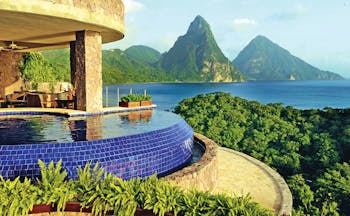
Hiking in St Lucia up the famous Piton mountains, as well as Jump Up parties every Friday; flying over the islands of the Bahamas; exploring the parishes of Barbados; trekking the forested slopes of Jamaica’s Blue Mountains; sailing in the Grenadines; watching cricket on the national cricket pitch of tiny Nevis; swimming in the clear turquoise seas off Anguilla; enjoying a lime squash or a rum punch at sundown; visiting Andromeda botanic gardens on Barbados; visiting a nutmeg plantation on Grenada.